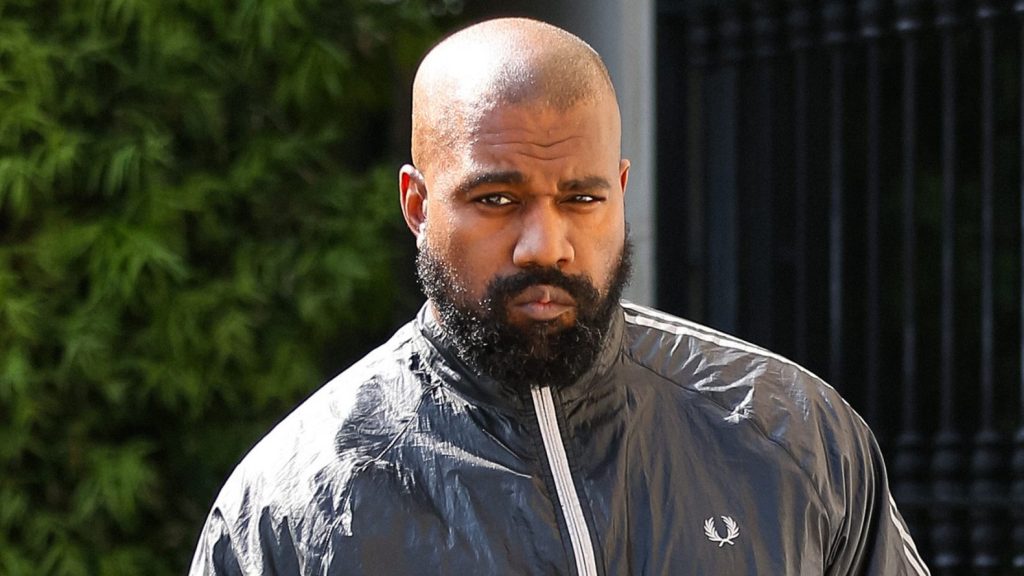
Kanye West, now known as Ye, is no stranger to controversy, and his latest legal battle surrounding the hit song “Hurricane” is no exception. As he prepares to take the stand, two musicians claim they’ve been unfairly snubbed in the song’s production and are demanding a hefty half a million dollars for what they allege is copyright infringement. The lawsuit, filed by rapper Jay Electronica and producer Dom McLennon, revolves around claims that Ye sampled their unreleased tracks without permission, turning their creative contributions into a lucrative mainstream success without giving proper recognition.
The case has ignited discussions about ownership and recognition in the music industry, particularly for lesser-known artists struggling to make their mark. For many, Ye’s ascent to superstardom feels like a classic David versus Goliath scenario, where the giant of hip hop often overshadows the voices of emerging talent. Electronica and McLennon argue that their work was pivotal in shaping the sound of “Hurricane,” and their claims highlight a broader issue of how creative rights are navigated in a landscape dominated by big names.
As the trial unfolds, anticipation grows around Ye’s testimony. Fans and critics alike are eager to hear his side of the story and how he will address the accusations that some say threaten to tarnish his legacy. But the stakes are high, not just for the artists embroiled in this dispute, but also for the integrity of the music industry as a whole. It raises important questions: How do we ensure that all contributions to a song are acknowledged? And what happens when the titans of the industry clash with the grassroots creators?
Regardless of the outcome, the trial serves as a reminder of the complexities involved in the creative process. It’s a moment for reflection on how the industry can better support artists, especially those who may not have the same platform or visibility as more established names. As we tune in to what promises to be a captivating courtroom saga, one thing is for sure: the music community will be watching closely, hoping for a resolution that honors creativity and collaboration over infringement and oversight.
About The Author