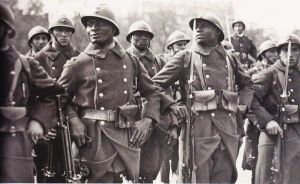
In 1934, the image of African soldiers in the Congo proudly singing ‘La Marseillaise’ amidst the backdrop of forced labor paints a complex portrait of colonialism and identity. This period, often overshadowed by more well-known historical events, showcases the paradox of a generation that found pride in a national anthem of a country that exploited them. These were the tirailleurs, a group of African soldiers who served France, often exhibiting a deep admiration for the Métropole, despite the harsh realities of their existence.
Marcel Homet, a French colonial administrator, provides a vivid snapshot of life in Congo during this time in his book “Congo Français: Terre de…” He describes the youth, their fervent singing of the revolutionary anthem, which symbolized not just allegiance to France but also a deep yearning for a sense of belonging. For many, ‘La Marseillaise’ was more than a song; it encapsulated a dream of duty, honor, and perhaps a misguided sense of freedom. The irony, however, cannot be overlooked, as these songs were being sung in a land drenched in the blood of colonization, where the labor of these soldiers and their families was exploited to fuel the empire.
Within this framework, the tirailleurs represent a complicated legacy—men who, despite their suffering, possessed a strong sense of nationalism that intertwined with the aspirations of a nation they were forced to serve. Their dual identity as both colonizers’ soldiers and proud Africans highlights the intricate web of loyalty, exploitation, and cultural pride that characterized this era. It challenges us to reflect on how colonial narratives often overshadow the voices of those who lived through them and embraced the very cultures that oppressed them.
Ultimately, the story of the tirailleurs and their attachment to ‘La Marseillaise’ serves as a poignant reminder of the complexities surrounding colonization. It underscores how the fight for identity and recognition is often entangled with the very systems that seek to dehumanize. As we delve into the annals of history, let us honor those who navigated these treacherous waters, seeking to find their place in a world that was, and often still is, at odds with their existence. Their legacy compels us to listen, learn, and reflect on the enduring impact of colonialism on African identity and culture.
About The Author