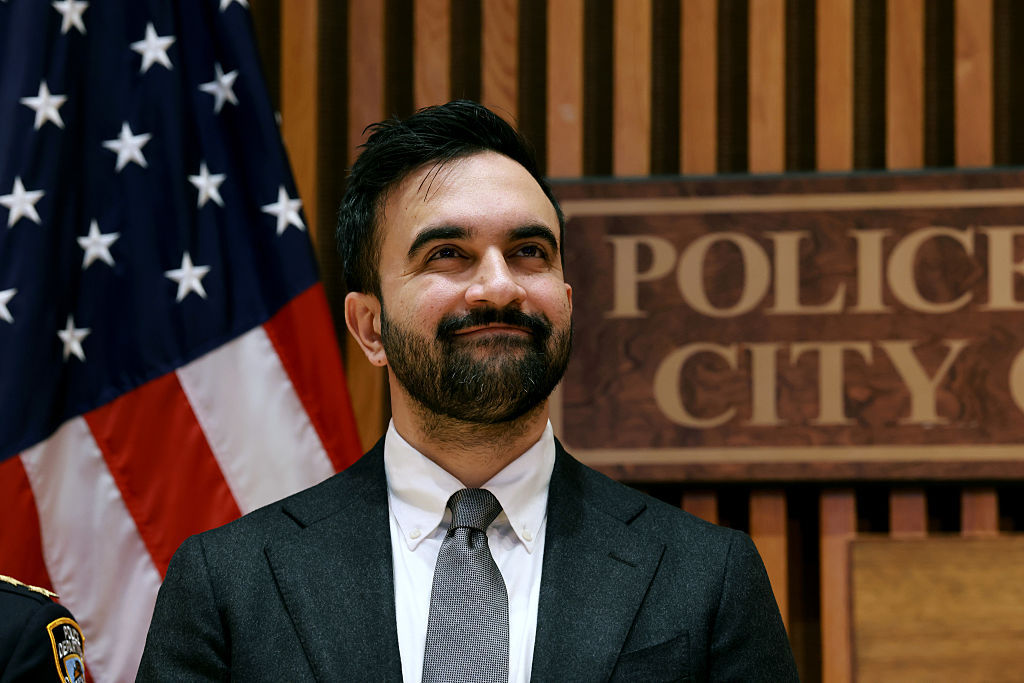
NEW YORK, NEW YORK - JANUARY 06: New York City Mayor Zohran Mamdani attends a news conference at the headquarters of the NYPD on January 06, 2026 in New York City. Mamdani, who was joined by New York Gov. Kathy Hochul and Police Commissioner Jessica Tisch, discussed crime statistics and safety, including a historic drop in shootings in New York City last year. (Photo by Spencer Platt/Getty Images)
In a shocking turn of events, NYPD Captain James Wilson found himself in hot water after disparaging Mayor Zohran Mamdani during a protest against anti-immigration enforcement in Brooklyn. The video footage capturing Wilson’s comments has since ignited debates around police accountability and the political climate in New York City. His words, referring to the Mayor as ‘an embarrassment,’ reflect not just a personal sentiment but also a wider tension that exists within the ranks of the NYPD and its relationship with the current city administration.
Mamdani, the first Afro-Latino mayor of New York City, has taken bold steps to reframe the conversation around policing and immigration, often facing pushback from those within the department who resist change. This incident serves as a stark reminder that while New York City marches toward progressive ideals, there remains a contingent within law enforcement that holds on to more traditional, and sometimes reactive, views. Wilson’s reassignment is a direct response to a growing demand for accountability, particularly in a time where police departments across the nation are under scrutiny for their actions and attitudes.
The fallout from this incident raises vital questions about the dynamics of power and the role of law enforcement in political discourse. How can a city expect to foster trust and cooperation when those sworn to protect it openly ridicule its elected leaders? Furthermore, it underscores the challenges a progressive mayor faces in navigating a police force that may not share the same vision for the future.
As the story unfolds, it will be crucial to watch how Mamdani’s administration addresses this issue and whether it leads to a wider examination of the NYPD’s culture. For now, Capt. Wilson’s reassignment serves as a pivotal moment, symbolizing a clash between old standards and the evolving landscape of community relations in one of the nation’s most influential cities. The conversation about race, power, and responsibility within policing is far from over, and as New Yorkers, we must hold our leaders—both political and public servants—accountable to the values we wish to uphold.
About The Author