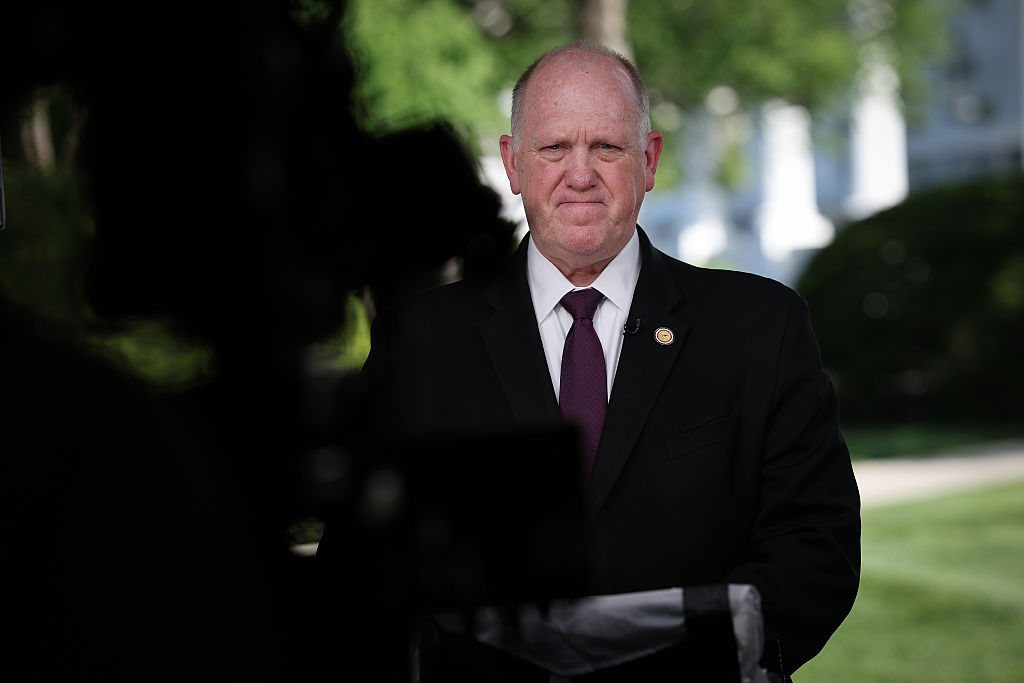
In a recent outburst, former ICE director Tom Homan expressed his displeasure with New York City’s policies regarding undocumented migrants. It’s not just that he’s passionate about enforcing immigration laws; it’s the underlying notion that he believes New Yorkers should mirror his disdain for those who have crossed the border seeking a better life. This perspective isn’t just problematic – it’s emblematic of a broader trend among certain Trump-era officials who see compassion as a weakness rather than a fundamental human right.
Homan’s frustration is particularly telling when you consider the strides that cities like New York have made in creating sanctuary spaces for migrants. These laws are not merely symbolic; they represent a conscious choice to protect individuals who have often faced unimaginable hardships. By embracing rather than demonizing undocumented migrants, New Yorkers are sending a clear message: we value human dignity and recognize the contributions these individuals bring to our communities.
Yet, Homan’s narrative pushes back against this progress, framing it as a betrayal of American values. It’s an old playbook he’s working from, using fear as a weapon to paint migrants as threats rather than victims. This rhetoric may have worked during the Trump administration, but as we move further away from those policies, it increasingly sounds like a relic of a less compassionate era.
As the political landscape continues to evolve, the stark contrast between Homan’s worldview and that of cities committed to inclusivity raises critical questions. Why is it that some leaders believe fear and hatred are more American than empathy and understanding? The answer, perhaps, lies in power dynamics that favor exclusion over inclusion, and it’s time that communities stand firmly against such divisive narratives. New York’s stance is not just about immigration; it’s about affirming the values of acceptance and solidarity that define us as a nation. Homan may be angry, but the city’s dedication to equity speaks volumes about who we are and who we aspire to be.
About The Author