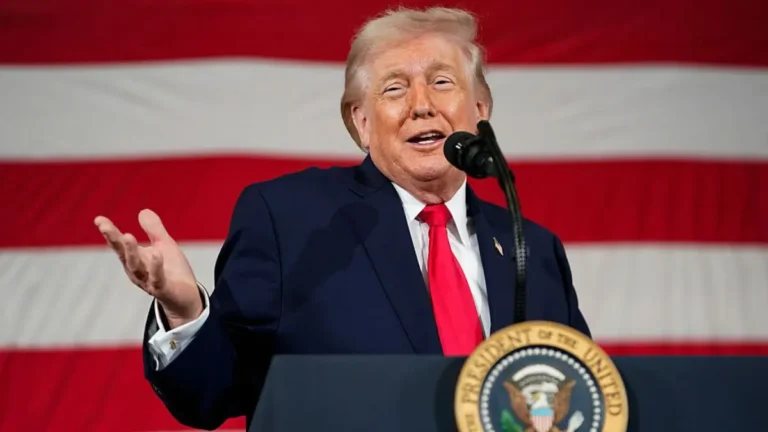
In a move that has raised eyebrows and sparked debate, the Justice Department has filed an appeal to the Supreme Court, hoping to overturn the E. Jean Carroll verdict that assigned liability to Donald Trump for sexual abuse. The government’s argument hinges on the controversial notion that a sitting president should not be subject to lawsuits stemming from actions taken prior to their term in office. This appeal not only challenges the verdict itself but seeks to alter the legal landscape regarding how and when a sitting president can be held accountable in civil courts. Critics of the Trump administration see this as a blatant attempt to shield him from the consequences of his actions, while supporters argue it’s a necessary protection for the executive office.
The E. Jean Carroll case has already garnered significant attention, thrusting issues of sexual misconduct and accountability front and center in the political arena. Carroll’s brave decision to speak out and seek justice has resonated with many, shining a light on the broader cultural context of how society handles allegations against powerful figures. The DOJ’s appeal seems to be a desperate attempt to rewrite the narrative, framing it as a question of legal precedent rather than moral accountability. This raises an unsettling question: what message does this send to victims of sexual assault who are already often met with skepticism when they come forward?
It’s hard not to see this as an indication of where we are politically. The Trump administration has spent years trying to redefine the rules to favor the powerful, and this latest appeal feels like a continuation of that trend. A truly innocent person would embrace the opportunity to clear their name in court, not seek to change the rules to avoid facing the allegations altogether. Yet here we are, with the DOJ seemingly siding with a former president whose reputation remains marred by controversy and division.
As the Supreme Court prepares to hear this appeal, the implications are staggering. If successful, it could set a precedent that would allow current and future presidents to operate above the law, further eroding trust in our judicial system. For many, this isn’t just about Trump; it’s about the principles of justice and accountability that underpin our democracy. E. Jean Carroll’s case has become a symbol of resilience against the powerful, and as we navigate this latest development, we must ask ourselves what kind of future we want for our legal system and for survivors of assault.
About The Author