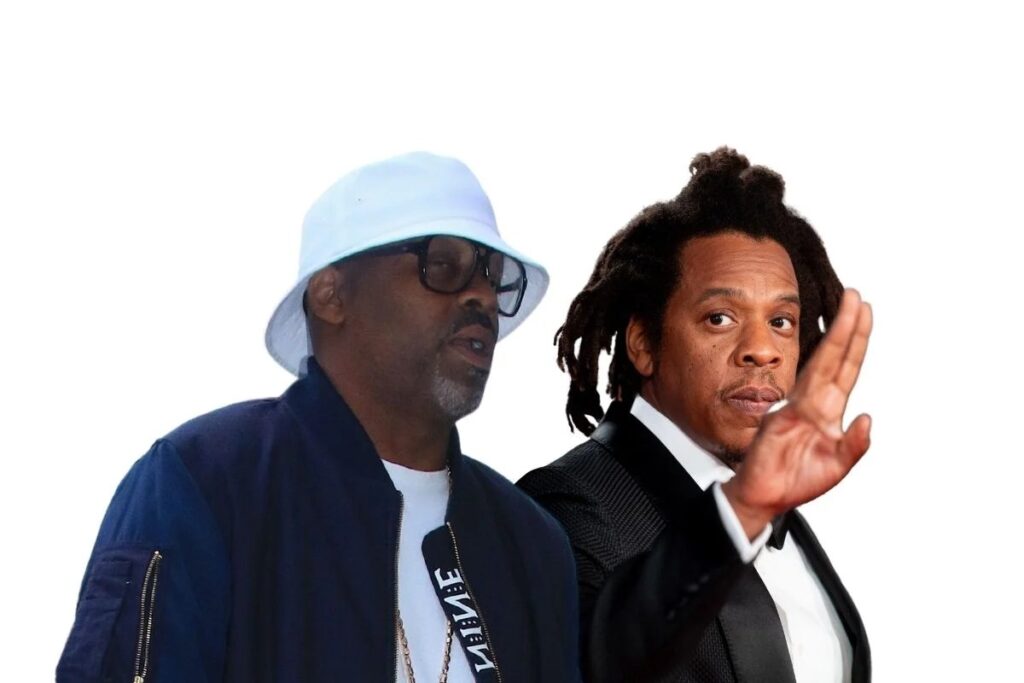
In the world of hip-hop, rivalries and competitive spirits often shape the landscape in ways we might not fully understand. Recently, Dame Dash shed light on an intriguing piece of history, revealing how Jay-Z’s competitive nature played a pivotal role in preventing Lupe Fiasco from signing with Roc-A-Fella Records. This revelation isn’t just a story of missed opportunities; it speaks volumes about the dynamics among the genre’s key players and the sometimes volatile intersection of talent and ambition.
Dame Dash, co-founder of Roc-A-Fella, shared that Jay-Z genuinely appreciated Lupe’s artistry, recognizing the potential that the Chicago rapper brought to the game. However, it was Jay’s fierce competitive edge that ultimately quelled any aspirations of signing Lupe. According to Dash, Jay-Z was wary of how Fiasco’s innovative sound and lyrical prowess could overshadow his own work and that of the label’s other artists. In a business where ego often takes center stage, it’s no surprise that the fear of competition could drive strategic decisions.
This backstory sheds light on the often unseen decisions that pave the way for success or derail promising talent. Hip-hop has always been about pushing boundaries, and while Jay-Z’s instincts to protect his brand are understandable, one can’t help but wonder how different the musical landscape might look today had Lupe Fiasco joined Roc-A-Fella. With hits like ‘Kick, Push’ and ‘The Show Goes On,’ Lupe undoubtedly would have brought a unique flavor that could have complemented the label’s roster.
The anecdote also brings attention to the larger narrative of mentorship and support in hip-hop. Artists like Jay-Z and Dame Dash have a significant influence on the careers of those who follow in their footsteps. Recognizing and nurturing talent is crucial, but so is managing one’s own insecurities. In hindsight, Jay-Z’s decision may have left an empty space in Roc-A-Fella’s legacy, one that could have been filled with Lupe’s innovative contributions.
Ultimately, this story serves as a reminder that the hip-hop industry is a complicated web of artistry, ambition, and rivalry. While Jay-Z’s competitive spirit has propelled him to legendary status, it also cautions us about the potential missed opportunities that arise from fear of competition. As we reflect on the intersection of these two impactful artists, we can only imagine what might have been—a new era defined by collaboration rather than rivalry.
About The Author