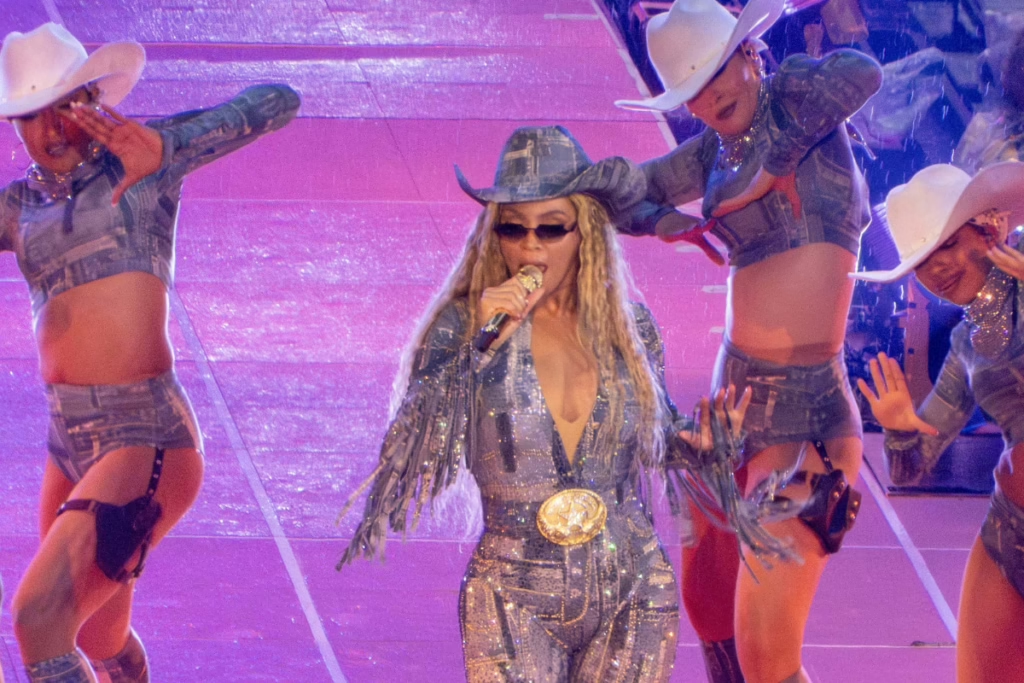
In the world of music, few figures hold as much power and influence as Beyoncé. The anticipation for her artistry has led to an unfortunate situation, as Kelvin Evans stands accused of stealing unreleased tracks from her choreographer’s car in Atlanta. This isn’t just a petty theft; it’s a serious breach of trust and intellectual property that could have significant implications for artists and their work. Evans rejected a plea deal and is set to face trial on Monday, underscoring the seriousness of the charges against him.
The incident raises questions not only about the security of unreleased music but also about the lengths some will go to snatch a piece of that coveted legacy. For many artists, unreleased music is not just a collection of songs; it’s their thoughts, their evolution, and a glimpse into their minds during the creative process. The theft of such material can feel like a violation of the artist’s very essence. Evans’s decision to go to trial suggests that he believes he has a case to make, despite the overwhelming implications of his actions.
As the trial approaches, the industry watches closely. What ramifications will this case have on how artists protect their unreleased music? Will it lead to stricter security measures during production and rehearsals? The stakes are high, and the outcome of this case could set a precedent for how similar situations are handled in the future.
With Beyoncé being a global icon, the public’s interest in this trial is palpable. Fans and critics alike are eager to see how this legal battle unfolds, and whether justice will be served. As we gear up for the trial, one thing is clear: the music industry is a sacred space for creativity, and those who infringe on that sanctity must be held accountable. The trial promises to bring to light not only the specifics of this case but also broader issues related to artist rights and the protection of their work in an ever-evolving digital landscape.
About The Author