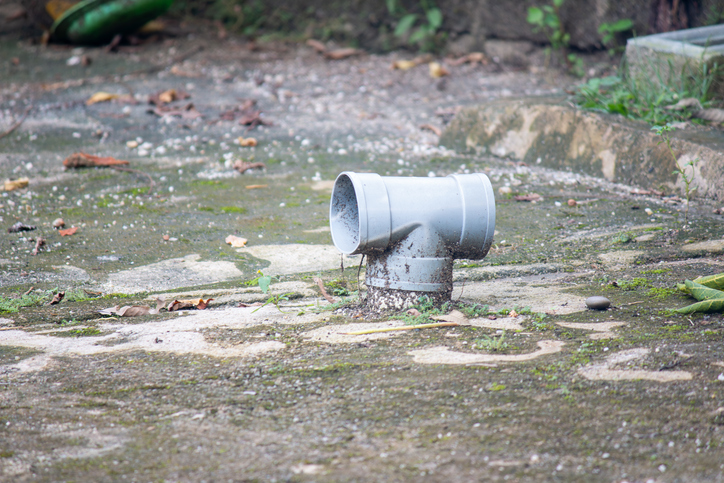
Septic Tank Vent Pipe T-Joint Drainage System on Concrete Ground
In the rural heart of Lowndes County, Alabama, a crisis looms largely unnoticed by the broader public. For decades, the predominantly Black residents have been battling an invisible enemy: raw sewage. This dire situation, exacerbated by the Trump administration’s aggressive rollback of civil rights protections, particularly in the realm of environmental justice, has left these communities vulnerable. Amidst the beautiful landscape of Alabama, families are forced to confront a harsh reality where poor sanitation and health risks are an everyday struggle, highlighting the compounding effects of systemic racism and neglect.
Under the previous administration, a keen focus on Diversity, Equity, and Inclusion (DEI) initiatives was abandoned, and the ramifications of this policy shift ripple through communities like those in Lowndes County. The gutting of critical settlements aimed at improving wastewater management has resulted in a devastating lack of resources and infrastructure. Local residents report overflowing sewage in their yards and inadequate access to clean water—issues that should have been addressed with urgency. The prioritization of profit over people has turned basic human rights into a luxury for many, particularly in communities that have borne the brunt of environmental injustice.
As reports of health issues linked to contaminated water have spiked, the silence from national political leaders is deafening. It’s disheartening to witness a government that, when it comes to the needs of marginalized communities, continues to fail in providing basic services. This lack of accountability speaks volumes about the systemic indifference that often characterizes the political landscape, especially for Black residents in rural America. The ongoing struggles in Lowndes County serve as a stark reminder that the fight for equity is far from over.
Grassroots organizations and local activists are tirelessly working to bring attention to this plight, yet their voices often go unheard. Community leaders emphasize the importance of engaging with local institutions and policymakers to demand equitable solutions that address both immediate needs and long-term sustainability. The courage and resilience of Lowndes County’s residents showcase a community that refuses to be silenced, but it is clear that they need support from allies who can amplify their struggles and advocate for necessary change.
As the nation grapples with the legacies of systemic racism and environmental injustice, the story of Lowndes County is a sobering wake-up call. The failures of the past must catalyze a movement toward genuine reparative justice for communities that remain marginalized and neglected. The time for action is now; the residents of Lowndes County, and countless others facing similar crises, deserve better. They deserve a future where access to clean water and sanitation is not a privilege, but a right for all, regardless of zip code or skin color.
From The Source
About The Author