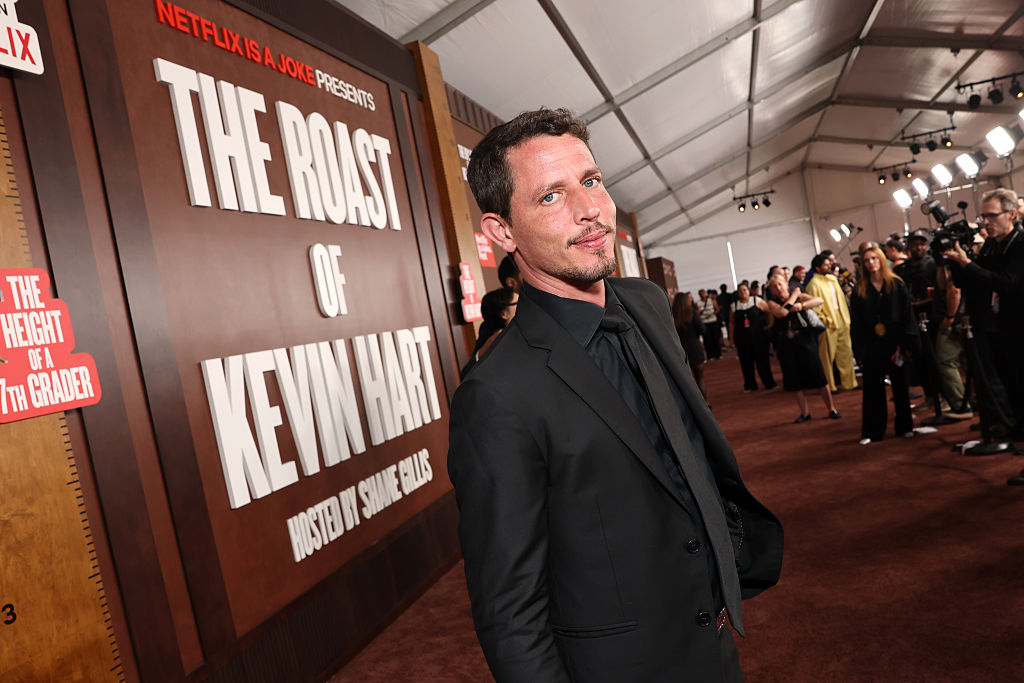
In the world of comedy, the line between humor and insensitivity can often blur, but there are moments that remind us just how vital it is to tread carefully. Tony Hinchcliffe recently sparked outrage after delivering a so-called ‘joke’ about George Floyd during a roast, a moment that many feel underscores a pervasive problem in comedy: the failure to navigate sensitive subjects with the nuance they deserve. This particular instance not only drew sharp rebukes from fellow comedians but also reignited conversations about race, respect, and the responsibilities that come with being in the public eye.
Among the loudest voices against Hinchcliffe’s joke was comedian Lil Rel Howrey, who has consistently used his platform to address issues of race and social justice. Howrey’s response was a pointed reminder that while comedy can be a tool for critique and healing, it can also perpetuate harm when it dismisses the lived experiences of marginalized communities. As someone who has sat at the intersection of entertainment and activism, Howrey’s words carry weight, highlighting the need for more inclusive and thoughtful humor.
Activist Tamika Mallory also weighed in, emphasizing the importance of understanding the historical context surrounding George Floyd’s death. For many, Floyd’s name is synonymous with a movement that strives for justice and equality, not a punchline. Mallory’s perspective serves as a crucial reminder that behind every headline or trending topic are real people whose lives have been irrevocably changed. The backlash to Hinchcliffe’s joke isn’t just about a moment of poor taste; it’s about the responsibility of artists to uplift, not undermine, the narratives of those who have suffered.
In a time when the discussions around race and representation are more pressing than ever, Hinchcliffe’s comment reveals a broader issue in the comedy landscape, where the voices of Black comedians and activists are often sidelined. The reality is that comedy can be a powerful force for change, but it requires sensitivity and a commitment to understanding the impact of one’s words. As we continue to navigate these complex conversations, it’s essential to champion humor that fosters connection rather than division, reminding us all that laughter can be inclusive and thoughtful. The reactions to Hinchcliffe’s ill-timed joke serve as a reminder of the importance of respect, especially in a world grappling with issues of systemic racism and injustice.
From The Source
About The Author