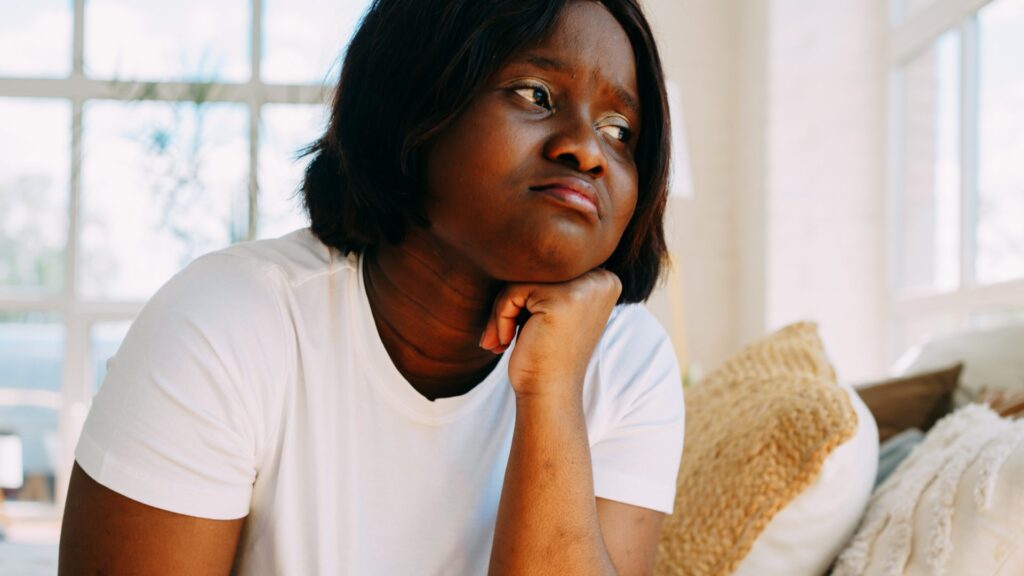
Navigating life when Aunt Flo pays a visit can be a pain in the you know what, impacting everything from our physical comfort to our emotional well-being. For many women, especially in underserved communities, the struggle doesn’t just end with cramps and cravings. Period poverty encompasses the lack of access to menstrual products, hygiene facilities, and education surrounding menstruation, affecting millions of individuals worldwide. This issue is not only about physical supplies but also about the stigma and shame that can surround it. By shining a light on period poverty, we can start a much-needed conversation about menstrual equity, recognizing it as an essential aspect of health and dignity.
Addressing period poverty requires us to rethink how we view menstruation in our society. Too often, it’s treated as a taboo subject, whispered about behind closed doors, when in reality, it’s a natural biological process experienced by half the population. Many young girls miss school during their periods due to a lack of access to products, which leads to educational setbacks and contributes to a cycle of poverty. By promoting open dialogue about menstruation in schools, workplaces, and communities, we can dismantle the stigma, creating an environment where everyone feels empowered to discuss their needs without embarrassment.
One of the most impactful ways to promote menstrual equity is through advocacy for policy changes that ensure free access to menstrual products in public spaces such as schools and community centers. This can include partnering with organizations that provide menstrual supplies to those in need, making it easier for individuals to obtain what they require without fear of judgment or shame. Furthermore, educating both young men and women about menstruation can foster greater understanding and support, thereby normalizing the conversation and reducing stigma.
Menstrual equity is not just a women’s issue; it’s a societal issue that reflects how we care for all members of our community. We can challenge the status quo, encouraging more companies and individuals to invest in sustainable menstrual products that are both affordable and accessible. Additionally, supporting local and global initiatives that focus on period poverty can amplify our voices and create lasting change. Together, we can pave the way for a future where everyone has the ability to manage their menstruation with dignity and confidence, free from the shackles of stigma and inequity.
From The Source