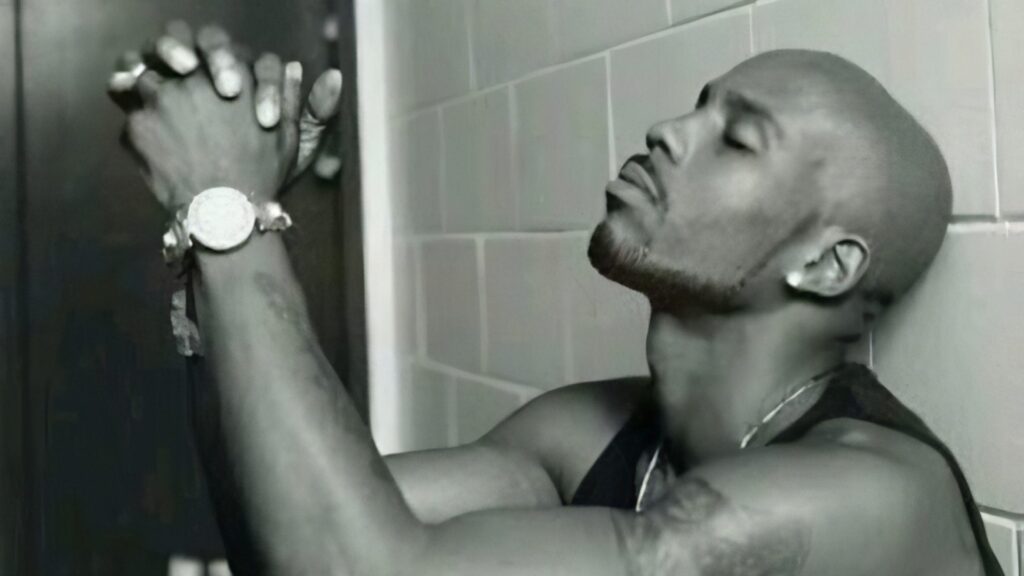
“See, to live, is to suffer—but to survive, is to find meaning in the suffering.” These poignant words spoken by DMX in his classic track “Slippin’” resonate deeply, echoing the struggles of many within the Black community. The raw emotion and vulnerability found in hip-hop have made it a powerful platform for discussing mental health long before it became a trending topic in mainstream conversations. Artists like DMX have paved the way, sharing their real-life battles and inviting listeners into their world of pain, resilience, and ultimately, healing.
Throughout the years, hip-hop has served not only as entertainment but as a vital form of expression, reflecting the nuanced experiences of a demographic often overlooked in discussions about mental health. From the confessional verses of artists like Kid Cudi to the introspective storytelling of J. Cole, the genre has consistently tackled themes of depression, anxiety, and the quest for self-understanding. Songs like “Soundtrack to My Life” and “4 Your Eyez Only” reveal deeply personal narratives that resonate with listeners facing similar struggles, creating a sense of community among those who feel isolated by their mental health challenges.
Moreover, the genre’s evolution has seen a gradual acceptance of these topics, challenging the stigma often associated with mental illness in our communities. No longer is vulnerability seen as a weakness; it has become a badge of honor. Artists are disarming the stereotypes surrounding mental health, encouraging fans to seek help and share their stories. This shift is crucial, especially in a culture where Black men, in particular, are often conditioned to suppress their emotions. The dialogue hip-hop artists foster can inspire fans to confront their own mental health issues, reminding them that they are not alone.
As we reflect on the intersection of hip-hop and mental health, it’s essential to celebrate the artists who bravely share their journeys. Their music has the power to heal and uplift, resonating with listeners who find solace in knowing that their struggles are valid and worthy of conversation. In this ongoing narrative, hip-hop remains a beacon of authenticity, a safe space where pain is acknowledged and healing can begin. As we look to the future, one can only hope that this dialogue continues to evolve, empowering more voices to speak their truth and seek the help they deserve.
From The Source
About The Author