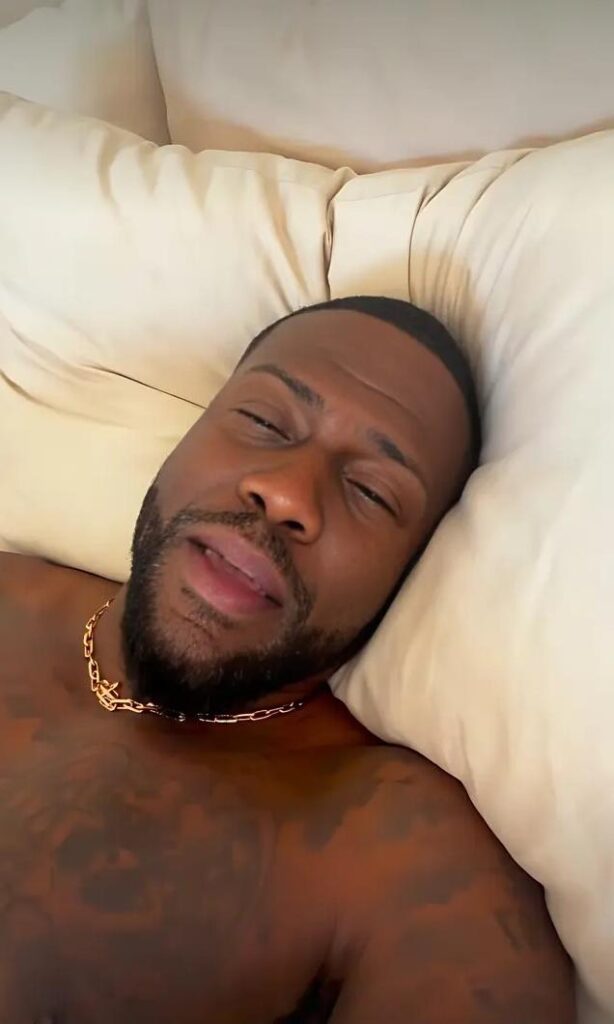
The fallout from Netflix’s “The Roast of Kevin Hart” is unfolding in a way that nobody quite anticipated. In the wake of the event, Terrence Floyd—the brother of the late George Floyd—has come forward to express his dismay over what he deemed a ‘tasteless’ joke made during the roast. The comment, delivered by comedian Tony Hinchcliffe, referenced George Floyd’s tragic death, and the public is appalled by its seemingly callous nature.
As a platform that thrives on humor, roasts often tread a fine line between edgy and offensive. However, in this instance, many feel that this particular joke crossed an unforgivable boundary. Floyd’s family has endured immense pain and suffering since George’s death sparked a global outcry against racial injustice. The fact that such a sensitive topic was fodder for a comedic jibe has left many, including Terrence Floyd, feeling disillusioned.
Terrence Floyd’s critique highlights a larger issue within the entertainment industry concerning the sensitivity and appropriateness of certain topics in comedy. While comedians have the freedom to push boundaries, they also have a responsibility to be aware of the impact their words can have on marginalized communities. Hart, known for his comedy yet often seen as a voice of reason in the industry, faced backlash for failing to intervene when the joke was made. This has prompted discussions about accountability and the role of allies in standing up against disrespectful humor.
As the dust settles from this incident, it’s clear that the conversation around humor, race, and trauma in America remains as crucial as ever. The comedic community must grapple with where the line is drawn and, more importantly, who gets to decide where that line is. For Terrence Floyd, this isn’t just about a joke; it’s about the memory of his brother and the ongoing fight for justice and respect. The incident serves as a stark reminder that while comedy can heal, it can also hurt, and we must tread carefully in our pursuit of laughter.
From The Source
View this post on InstagramAbout The AuthorAuthor's Other Posts
Related Stories
Trending Now