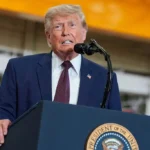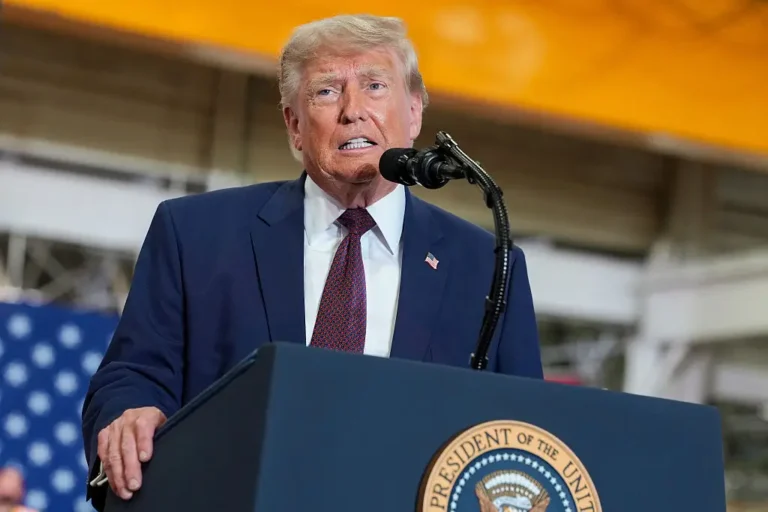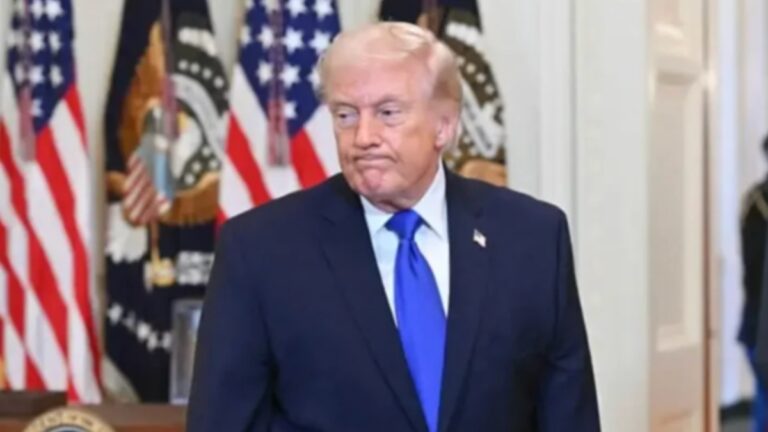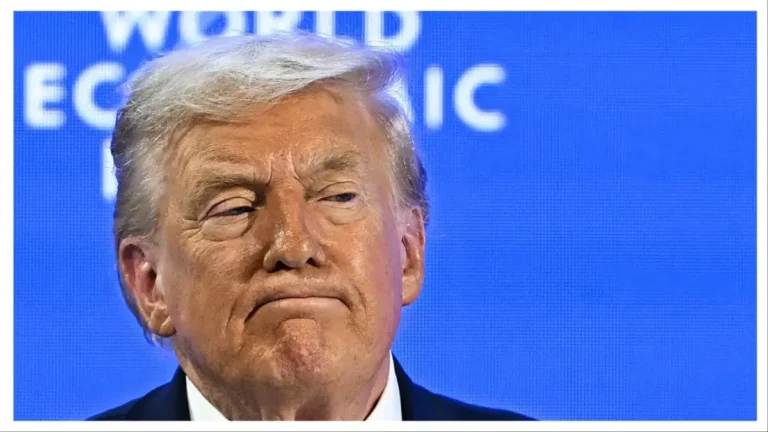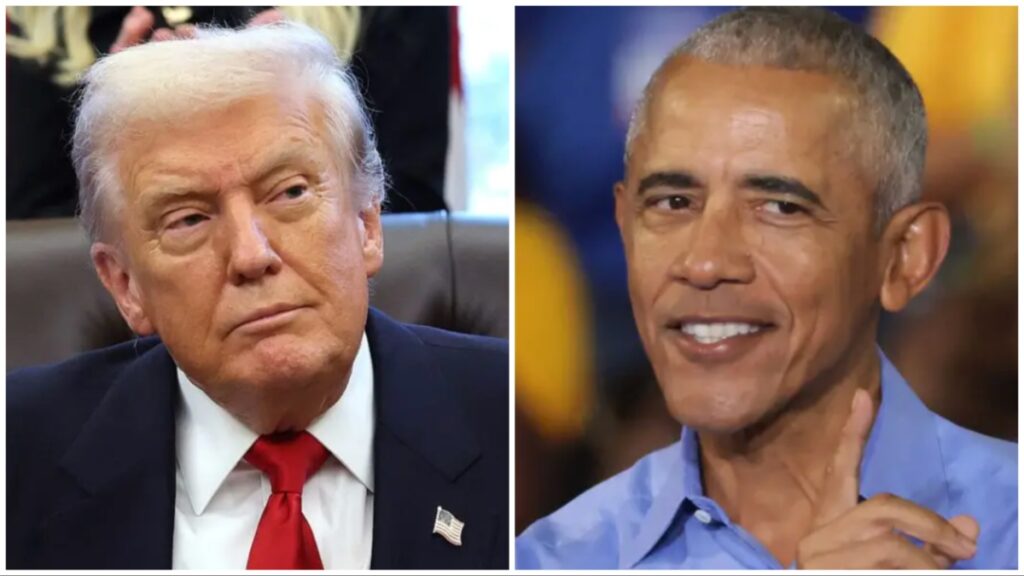
In a world where diplomacy often resembles a high-stakes game of chess, the recent reception Donald Trump received during his visit to China serves as a striking reminder of the dramatic shift in global leadership narratives. When Trump stepped off the plane, he was met not with the red-carpet treatment often reserved for world leaders, but with a notable chill that many have not failed to notice. Social media erupted, with users drawing stark comparisons to Barack Obama’s grand entrance during his own visit years earlier, where he was greeted like a rock star in a sea of adoring fans. This juxtaposition wasn’t just a matter of optics; it underscored a deeper commentary on the respect—or lack thereof—afforded to different leaders on the world stage.
The contrast between Trump’s reception and Obama’s wasn’t merely coincidental; it feels almost choreographed, a testament to the changing dynamics of American influence abroad. While Obama was seen as a symbol of hope and progressive ideals, Trump has often been characterized by his polarizing rhetoric and policies that alienate not just his opponents, but also allies. The current climate in international relations paints Trump as a leader who has, perhaps unintentionally, diminished America’s stature in the eyes of powerful nations like China. The irony isn’t lost on anyone that while Trump was once the face of a movement promising to “Make America Great Again,” his image abroad tells a different story—one of isolation and dismissal.
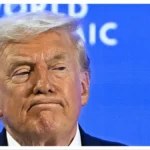
As social media users chimed in with quips and memes, the phrase “This is epic” became a rallying cry, capturing the schadenfreude many felt as they observed Trump’s awkward moments in a country where he seemed out of place. The imagery of Trump looking around for a reception that never came contrasts sharply with the warm embraces and photographic moments shared between Obama and Chinese officials. This narrative creates a deeper conversation about respect, diplomacy, and what it means to be a leader in today’s world. It raises an essential question: how do different leaders navigate the complex interplay of international relations, and what does it say about their standing on the global stage?
In a broader sense, this moment is not just about Trump or Obama. It reflects how cultural and political perceptions shape the way leaders are received. As we reflect on these contrasting receptions, it’s evident that legacy matters. The way leaders engage with different cultures and communities can significantly influence how they are perceived internationally. With Trump’s visit serving as a case study, we are reminded that in the world of global politics, respect is earned, and how leaders carry themselves can linger long after they leave a foreign soil. In this era of heightened scrutiny and divided ideals, the image we project abroad may matter even more than the policies we advocate at home.
From The Source
About The Author