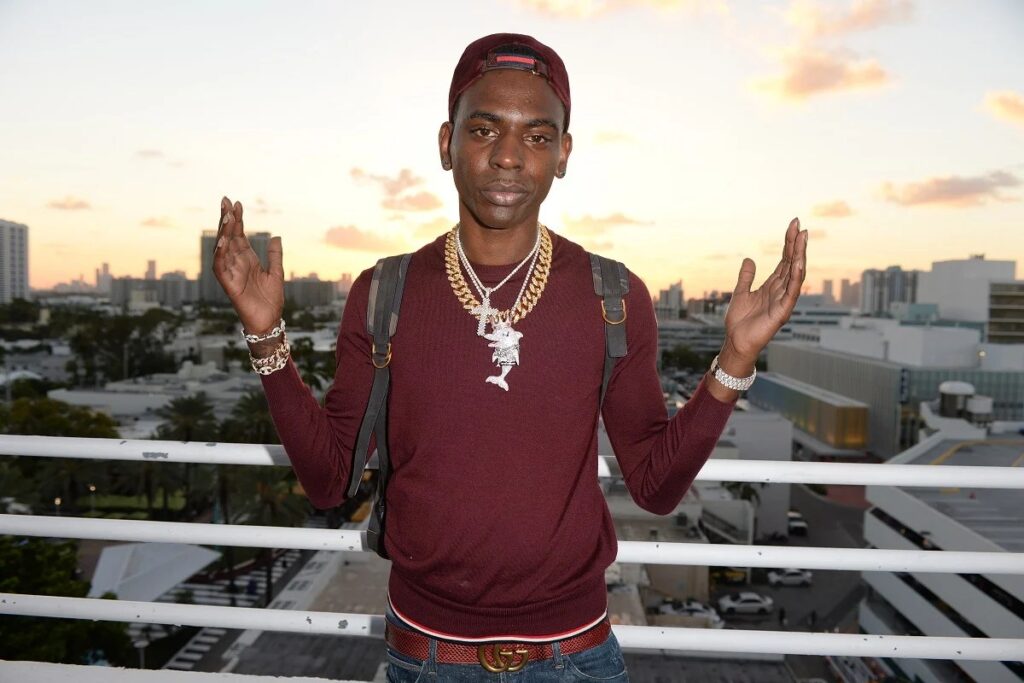
In a case that has haunted the Memphis community, the final shooter involved in the murder of beloved rapper Young Dolph has been sentenced to 20 years in prison. This sentence comes after a protracted legal journey marked by years of delays and heightened safety concerns within the prison system. Young Dolph, known for his impactful contributions to hip hop and his commitment to uplifting his community, was tragically gunned down in November 2021, leaving fans and loved ones grappling with the loss.
The conviction of the shooter is bittersweet for many who admired Dolph not just for his music but for his larger-than-life personality and entrepreneurial spirit. His dedication to supporting local businesses and aspiring artists painted a picture of a man who was deeply rooted in his community. As the court proceedings unfolded, the delays often felt like a reminder of the struggle for justice that too many families face in similar circumstances. The lengthy road to this sentencing speaks not only to the complexities of the case but also to the broader issues of violence in communities of color.
Since his passing, Young Dolph’s legacy has only grown more prominent, with tributes pouring in from fellow artists and fans alike. His music continues to inspire, and the outpouring of love showcases the impact he had on the culture. The sentencing of his murderer is a crucial moment, but it also serves as a stark reminder of the need for systemic change to prevent such tragedies from occurring in the first place.
As the dust settles on this chapter, the question remains: how can we honor Young Dolph’s legacy while addressing the ongoing issues of gun violence and systemic inequities? His life and death urge us to look beyond the headlines, recognizing the profound impact these losses have on families and communities. While justice has been served in this instance, the work continues to ensure that future generations can thrive in a world free from such violence.
From The Source
About The Author