By DeShawn Price, PowerVault Staff
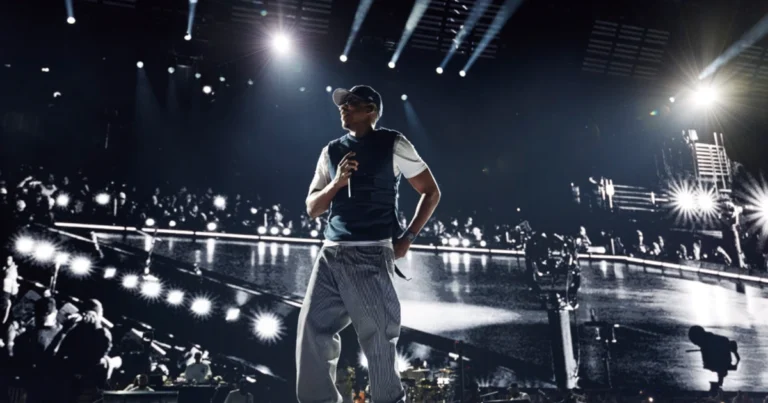
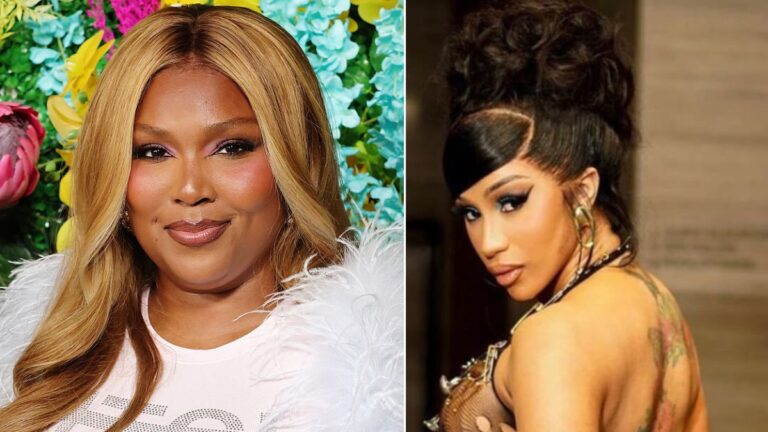
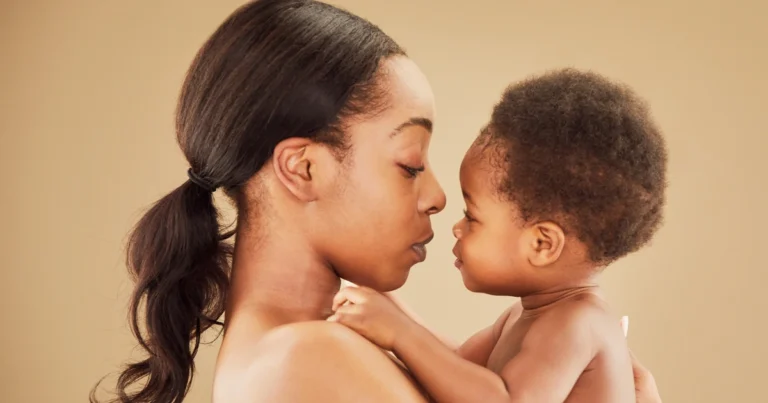
In a world that often feels dominated by headlines of strife and struggle, the power of Black joy is more important than ever. It’s not just a fleeting emotion but a revolutionary act that defies the narratives often imposed on Black communities. This week, we’ve witnessed some incredible moments that capture the essence of Black joy, showing us yet again why it matters not only in hip-hop but in the broader fabric of our culture.
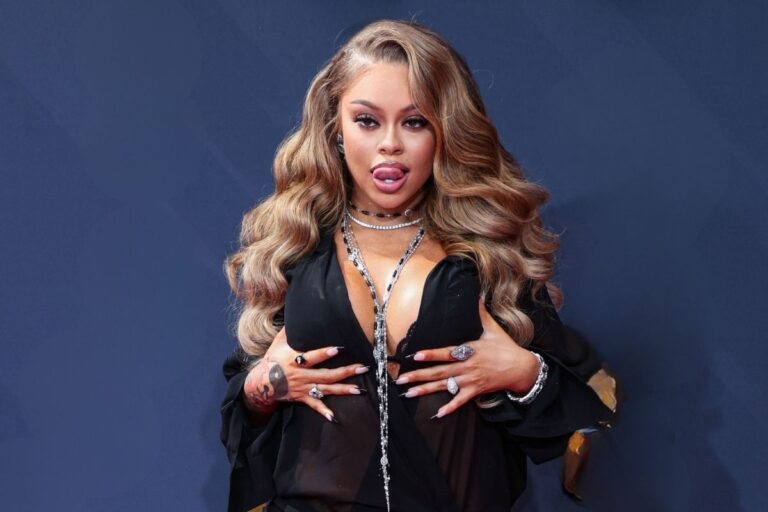
One of the standout moments this week came from the music scene, where artists are not just dropping tracks but creating movements. It’s no longer enough to just rap about the struggle; the new wave of artists is embracing messages of joy and triumph. K. Michelle, for example, made waves with her unexpected venture into country music, proving that genres can cross borders and that Black music knows no boundaries. Her new album, ‘Jesus & Whiskey,’ is more than just a collection of songs; it’s a celebration of the versatility and depth of Black musical expression. If you haven’t yet, check out our take on why K. Michelle’s country album matters.
But it’s not just the music that’s resonating. The narrative of joy extends into our cultural icons and how they are represented. Take Marlon Jackson’s recent efforts to rewrite Joe Jackson’s legacy. This move is not just about one family but touches on broader themes of forgiveness, understanding, and growth. It’s a reminder that our heroes are complex, and their stories are still being written. Our detailed scoop on Marlon Jackson’s narrative shift shows how the culture continues to evolve.
Historically, moments of Black joy have often sprung from adversity. Think back to the early days of hip-hop, when the genre itself was born out of a mix of frustration and hope. In the 70s and 80s, hip-hop was a voice for the voiceless, a way for marginalized communities to express themselves in a world that often ignored them. Today, that legacy continues, but it’s layered with the celebration of progress and achievements. Black joy is not just the absence of pain; it’s an assertion of life, vibrancy, and future possibilities.
The cultural significance of Black joy is perhaps most evident in how it challenges societal norms. In a climate where racial tensions are high and policies sometimes appear to move backward rather than forward, moments of joy act as both a relief and a form of resistance. For instance, the Urban League’s report on how Trump’s policies have impacted Black economic progress underscores the importance of finding joy and strength amidst adversity.
Looking forward, these moments of joy aren’t just blips on the radar; they are shaping the narrative for future generations. Artists like GloRilla, whose birthday photo dump went viral and captivated fans, are part of this wave. Her unabashed celebration of life and success sends a powerful message to those watching: embrace who you are and celebrate every achievement, no matter how big or small. It’s more than just a social media moment; it’s a cultural statement that joy is here to stay.
The impact of Black joy on hip-hop and culture at large cannot be overstated. It’s an essential ingredient in the ongoing story of Black excellence, reminding us that there’s power in positivity. As we move forward, it’s crucial to continue to celebrate these moments, share these stories, and recognize the role they play in shaping not only the present but the future. So keep your eyes on the horizon, because this revolution of joy is just getting started, and it’s bringing everyone along for the ride.
In the grand tapestry of history, Black joy stands as a bold thread, coloring our past, illuminating our present, and brightening our future. Whether through music, family legacies, or viral moments, it’s clear that joy is a key part of the narrative that we should all embrace and amplify.
About The Author