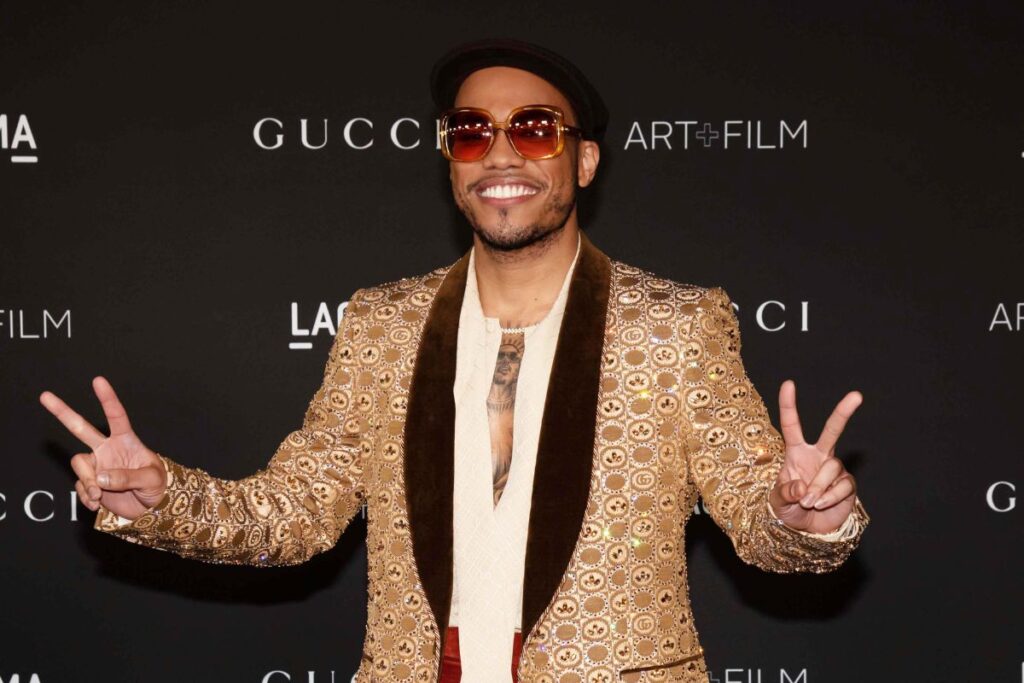
As he turns 40, Anderson .Paak is reflecting deeply on his life, artistry, and the legacy he wishes to leave behind. The multi-talented musician recently made headlines not just for his music but for a bold tattoo he got that reads, “No posthumous albums.” This declaration signals a profound desire to control his narrative even after he’s no longer around, a sentiment that resonates within the broader Hip Hop community and among artists everywhere.
Turning 40 is a significant milestone, and for .Paak, it has been a time to evaluate his journey, particularly in an industry notorious for exploiting the work of artists after they pass away. With a career that has spanned various genres and styles, the father of three has been candid about the lessons learned along the way. He’s also recently quit smoking, marking a new chapter focused on health and clarity, which he feels is crucial as he navigates his roles as a creator and a parent.
In discussing his tattoo and his thoughts on posthumous releases, .Paak points to a larger issue in the music industry—the need for artists to unite and protect their rights. He believes that unionizing could empower musicians, ensuring their intentions are respected and their legacies honored. This is particularly vital in a time when the lines between artistic expression and commercialism often blur. For many artists, their work is personal, and the idea of someone else dictating the terms of its release after they pass away is unsettling.
Anderson .Paak’s candidness about these topics sparks a necessary conversation about the treatment of artists in the industry. It’s a powerful reminder that while music can create an everlasting impact, the autonomy of the artist should always come first. As we celebrate his contributions to Hip Hop and his evolving journey, it’s clear that .Paak is not just a musician but a voice for change, advocating for the rights of all artists to shape their own destinies, both in life and beyond.
As the music industry continues to evolve, .Paak stands at the forefront, challenging norms and inspiring a new generation to prioritize authenticity and respect in their artistry. His tattoo might be a personal statement, but it represents a collective cry for artists to reclaim their narratives—an anthem for those who want to ensure their voices are heard even when they’re no longer here.
From The Source
About The Author