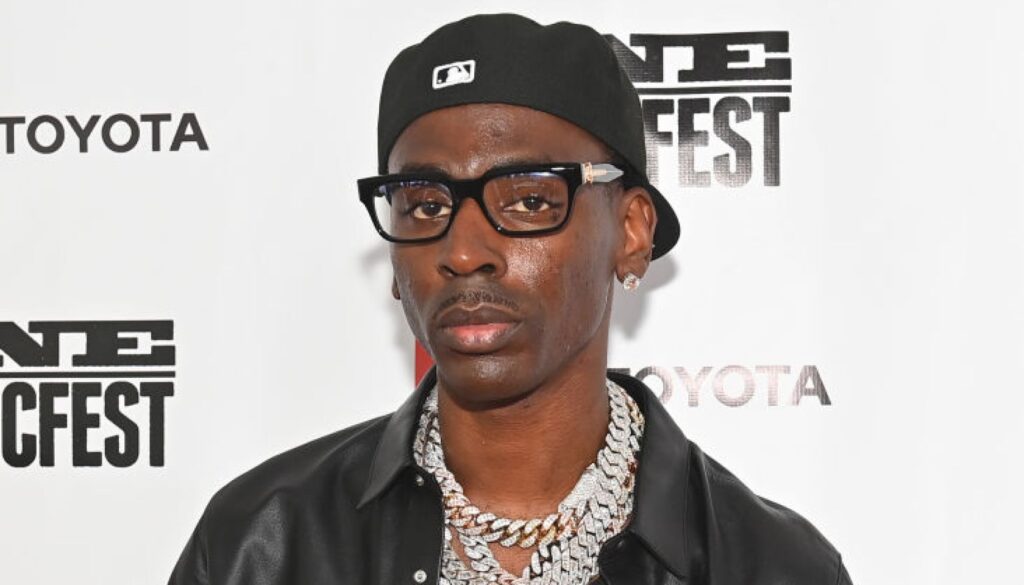
The painful saga surrounding the life and tragic death of Memphis rapper Young Dolph has seen its final chapter. On May 15th, Cornelius Smith Jr., the last suspect in the high-profile case, was sentenced to 20 years in prison after accepting a plea deal. The courtroom decision marks the end of a years-long investigation into one of hip-hop’s most heartbreaking losses, a stark reminder of the violence that often plagues the industry.
Young Dolph, known for his gritty lyrics and dedication to his community, was gunned down in a brazen ambush outside a cookie shop in Memphis in November 2021. His death sent shockwaves through the music world, as fans, friends, and fellow artists mourned the loss of a man who not only influenced hip hop but also uplifted his community through various philanthropic efforts. As the final suspect receives his sentence, many are left reflecting on the broader implications of this tragedy, questioning what can be done to curb the violence that often overshadows Black artistry.
Smith’s plea deal, which included pleading guilty to charges of second-degree murder, brings some closure to a case that has lingered over the Memphis rap scene. While the judicial system has made strides in delivering justice, the loss felt by Dolph’s family and fans cannot be measured in years served. The rapper’s legacy continues to inspire and remind us of the importance of uplifting the voices that are often drowned out by street violence.
As the city of Memphis and the hip-hop community mourns and celebrates Young Dolph’s life, the focus now shifts to healing and prevention, ensuring that the future of hip-hop can flourish without the heavy cloud of violence that has claimed too many lives. In the coming months, we can only hope that more conversations emerge around the systemic issues that plague our communities, allowing artists to thrive without fear.
From The Source
About The Author