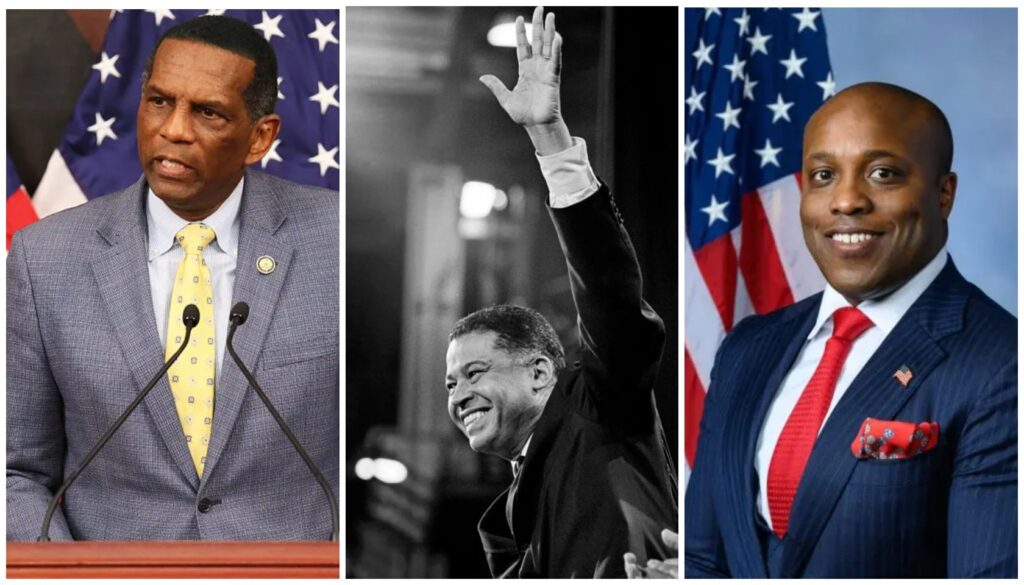
The history of Black leaders within the GOP is a tale of resilience, ambition, and stark contradictions. From the party’s inception, which emerged as a bastion of anti-slavery sentiment in the 1860s, Black Americans found a home in the Republican platform. Pioneers like Hiram Revels and Blanche K. Bruce made history as the first Black U.S. Senators during Reconstruction, symbolizing a promising partnership that sought to uplift the rights of African Americans. For decades, the GOP championed civil rights, fostering a narrative that positioned the party as a protector of liberty and justice.
However, the relationship between the GOP and Black Americans has been tumultuous, especially as the civil rights movement gained momentum in the 1960s. As the Democratic Party shifted towards support for civil rights, the GOP’s image began to fracture. The Southern Strategy, which aimed to attract disaffected white voters by appealing to racial anxieties, marked a significant pivot. This shift alienated many Black voters and set the stage for ongoing tensions. Despite this, figures like Colin Powell and Condoleezza Rice emerged as prominent leaders, showcasing Black excellence within the party, while simultaneously grappling with the broader implications of a GOP that often appeared dismissive of the very issues that mattered to Black communities.
In recent years, the GOP’s relationship with Black Americans has been further complicated by controversies surrounding race and identity politics. The rise of figures like Tim Scott and the increasing visibility of Black Republican organizations signal a desire for representation and a pushback against stereotypes. Yet, the party struggles with internal divisions and external perceptions that often frame it as an obstacle to racial equity. As the political landscape continues to evolve, the challenge remains: how can the GOP authentically engage with Black Americans while reconciling its past and present contradictions? The history of Black GOP leaders is not just about individuals but a reflection of the broader struggle for power, recognition, and justice within American society.
About The Author