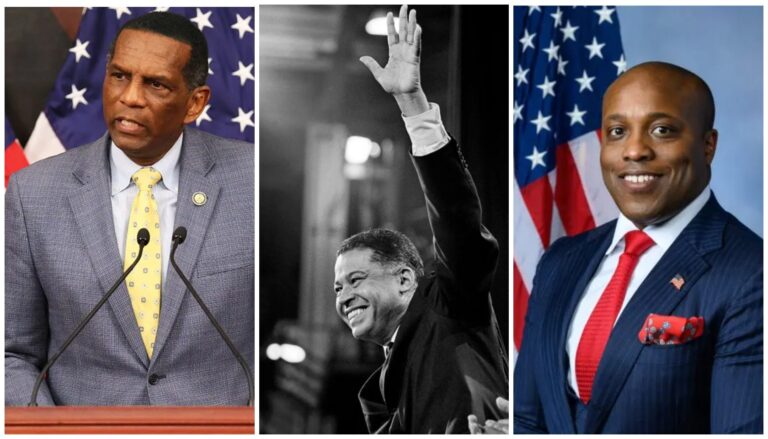
The presence of Black people in Scotland is often overlooked, yet their history stretches back over 500 years. From the arrival of African and Caribbean sailors in the 16th century to the communities formed during the Industrial Revolution, Black Scots have been an integral part of the nation’s narrative. These individuals arrived through trade, exploration, and even forced migration, contributing to Scotland’s cultural and social fabric in ways that are often unrecognized.
One notable figure in this history is the 18th-century Scottish poet, Robert Burns, who wrote about the injustices faced by Black people. His work highlights a more progressive view for the time, fostering a dialogue about race and equality that resonates today. Furthermore, the emergence of Black Scottish communities, particularly in urban centers like Glasgow and Edinburgh, reflects the resilience and determination of individuals who faced discrimination yet sought to carve out spaces of belonging and identity.
In contemporary Scotland, the contributions of Black Scots continue to shape various sectors, from politics to arts and beyond. Initiatives aimed at celebrating this rich heritage are pivotal in educating the public about the diverse influences that have molded Scotland. Acknowledging the presence and legacy of Black Scots is not merely a matter of historical accuracy; it is a vital step toward understanding the complexities of identity and the importance of inclusivity in modern society. By embracing this history, Scotland can honor those who have come before and inspire future generations to foster a more equitable and just community.
About The Author