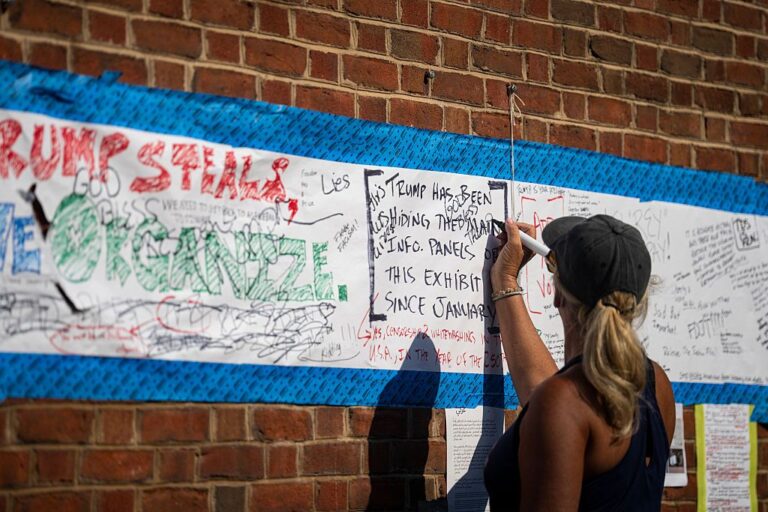
As we celebrate 100 years of Black History Month, it’s essential to reflect on why this observance matters now more than ever. The significance of recognizing the contributions, struggles, and triumphs of Black individuals cannot be overstated. Yet, as we commemorate this milestone, we find ourselves in an unsettling era where the fight to protect and promote Black history is under siege. Censorship and the erasure of pivotal narratives threaten to distort our understanding of the past and undermine the richness of our collective heritage.
The history of Black Americans is not just a chapter in our national story; it is the foundation upon which this country was built. From the resilience of enslaved ancestors to the profound impact of civil rights leaders, every facet of Black history contributes to the broader narrative of American identity. However, ongoing attempts to sanitize or eliminate these stories from educational curricula showcase a troubling trend that seeks to silence the voices of those who fought for freedom and equality. We must confront these challenges head-on, affirming that Black history is American history, and it deserves a place of honor in our classrooms, public discourse, and cultural institutions.
As we navigate this critical juncture, it’s crucial to galvanize support for the preservation and celebration of Black history. The centennial of Black History Month serves as a rallying cry, urging us to recognize that the fight for representation and acknowledgment is far from over. We must advocate for inclusive narratives that reflect the complexity of our history, ensuring that future generations inherit a full and honest account of our past. Through education, activism, and community engagement, we can combat the forces of censorship and erasure, reaffirming our commitment to justice, equity, and the rich tapestry of Black history that shapes our society today.
About The Author