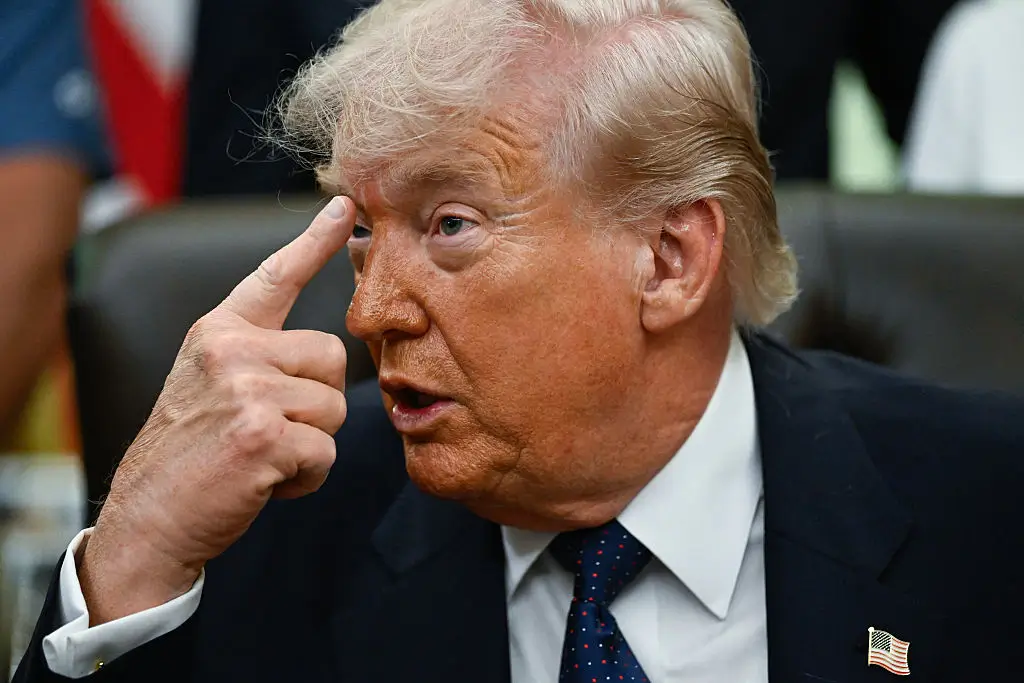
President Donald Trump’s administration is now facing explosive accusations of corruption after quietly unveiling a massive $1.7 billion taxpayer-funded compensation program for Trump allies who claim to have suffered financially due to the former president’s political battles. This dubious initiative has raised eyebrows across the political spectrum and is being denounced as a blatant attempt to use government resources for personal vendettas. Critics are appalled, calling it one of the most corrupt acts to emerge in contemporary American politics, an insidious blend of ego and exploitation.
In an era where public trust in government is already hanging by a thread, this revelation strikes a particularly sour note. The idea that hardworking taxpayers should foot the bill for a revenge plot against perceived enemies of Trump is not just audacious; it’s an affront to the very principles of democracy. This is not merely a matter of fiscal irresponsibility; it’s a direct assault on the integrity of our political system. As Trump continues to wield his influence, the implications for governance and accountability are staggering.
While the Trump administration has framed this compensation program as a necessary measure to support his loyal supporters, the reality is starkly different. It represents an unprecedented use of public funds to settle personal scores, undermining the foundation of civil service and the ethical obligations of elected officials. This maneuver serves as a reminder of the fraught relationship between power and accountability, and raises urgent questions about the lengths to which Trump will go to protect his inner circle—at the expense of the American taxpayer.
About The Author