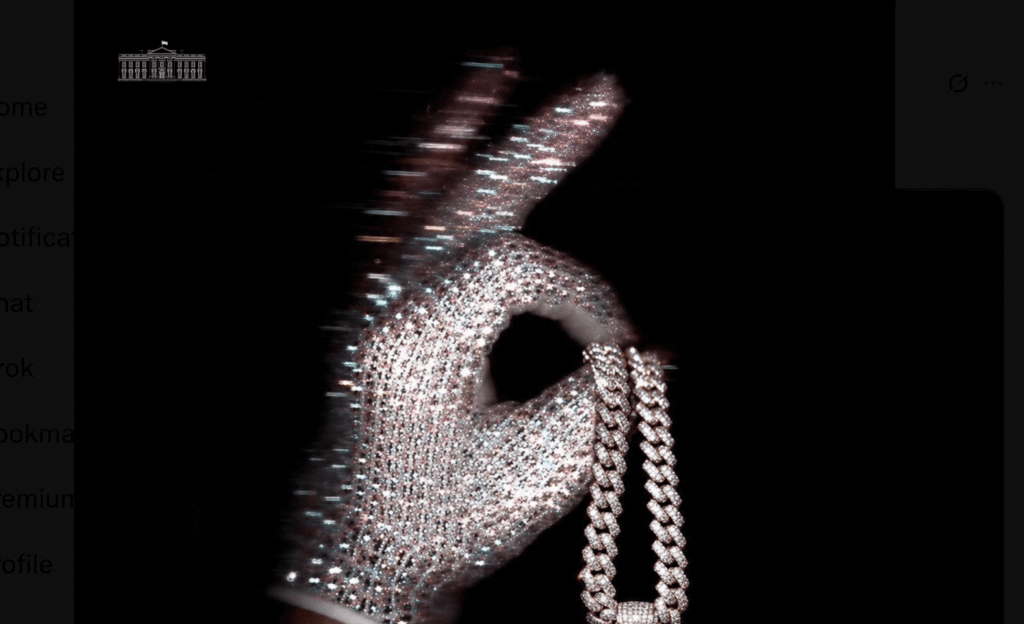
The White House has recently found itself in the spotlight for all the wrong reasons, attempting to channel a little too much of the culture it often sidelines. In a bizarre twist that left many shaking their heads, officials decided to lean into the latest trend of celebrity culture by playing up their connection to the hip-hop community, specifically referencing Drake, the Toronto rapper known for his catchy hooks and emotional lyrics. But instead of scoring big points with millennials and Gen Z, they’ve stumbled and created a narrative that feels more like a cringe-worthy Instagram post than serious policymaking.
First off, let’s talk about the optics. Drake is not just a musician; he’s a cultural phenomenon. His lyrics often reflect the struggles and triumphs of a generation that feels disillusioned and unheard. So when the administration start throwing around references to “Draaaaaaaake” in their official communications, it raises eyebrows. Are they genuinely trying to connect with a demographic that feels neglected, or is this just a poorly timed PR stunt? It feels more like they’re trying to wear the culture as a costume rather than embrace its deeper significance.
And then there’s the question of sincerity. The White House has long been accused of being out of touch, and this latest attempt at relevance does little to shake that perception. By attempting to embody an artist whose success is rooted in authenticity, they risk becoming a caricature, like that uncle who shows up at the cookout trying to rap the lyrics to “God’s Plan” but ends up fumbling the words. The disconnect is palpable, and for many, it’s just another reminder of how the political elite often fails to truly engage with the communities they purport to represent.
Let’s not overlook the underlying realities, either. The issues impacting Black communities—systemic inequality, criminal justice reform, access to education—are no joking matter. If the White House wants to genuinely engage with hip-hop culture and the youth, they need to do more than just drop a trendy reference hoping to score social media points. It requires real engagement, listening, and, most importantly, action. Incidents like this only serve to highlight the gap between the people and their representatives.
So as the administration tries to vibe with the culture—complete with all the cringe that comes with it—let’s hope they remember that authenticity speaks louder than any borrowed buzzword or meme. The next time they feel the urge to invoke the spirit of a hip-hop icon, perhaps it would be best to lead with actions that resonate rather than empty gestures that only further expose their lack of cultural fluency.
From The Source
About The Author