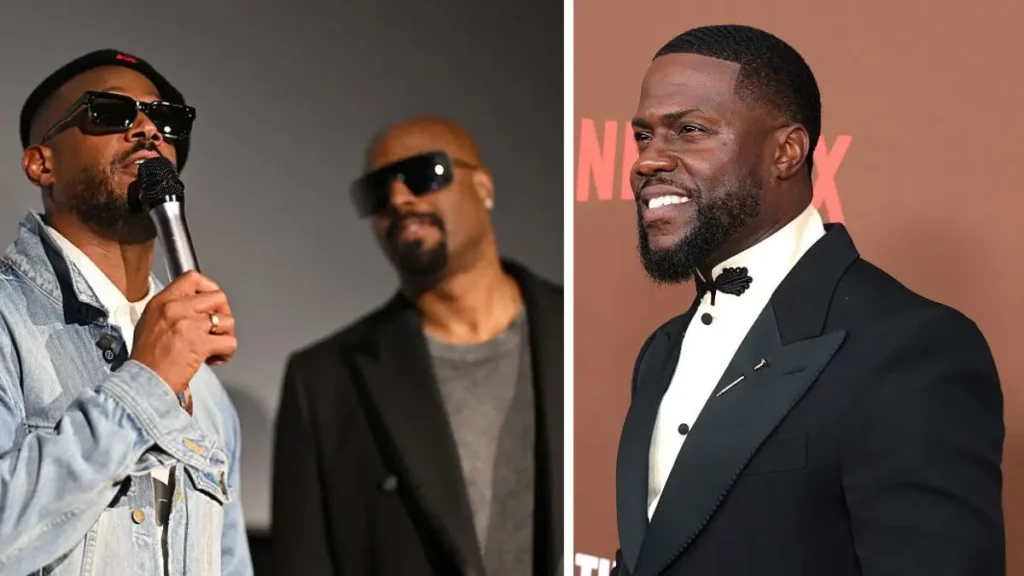
Comedy roasts are known for pushing the envelope, where the line between humor and insensitivity is often blurred. However, some jokes can strike a nerve in ways that resonate far beyond laughter. Recently, during Kevin Hart’s roast on Netflix, a joke referencing George Floyd landed with a thud, prompting reactions from notable figures like Marlon and Shawn Wayans, who felt compelled to speak out. They didn’t just critique the joke; they highlighted the profound loss and trauma that such humor can trigger, emphasizing that some topics demand a deeper level of respect.
Marlon Wayans articulated the sentiment that while comedy often serves as a space for reflection and critique, there’s a fine line when it comes to jokes about real pain. “A mother lost her son,” he stated, reminding audiences that the legacy of George Floyd isn’t just a punchline but a reminder of a systemic issue that continues to affect countless lives. This perspective isn’t just about sensitivity; it’s about accountability in comedy. If a joke fails to land effectively, it does more than miss the mark; it risks trivializing deep-seated grief and suffering.
The Wayans brothers’ warning serves as a critical reminder that comedy has the power to shape culture. When the stakes are this high, comedians must navigate their material with care. The backlash against the Floyd joke was swift and loud, demonstrating that audiences are increasingly unwilling to accept humor that seems to mock or diminish the experiences of marginalized communities. As we reflect on the evolving landscape of comedy and its intersection with real-world issues, it’s clear that the conversation around what’s considered funny is changing, and it’s about time we listen.
About The Author