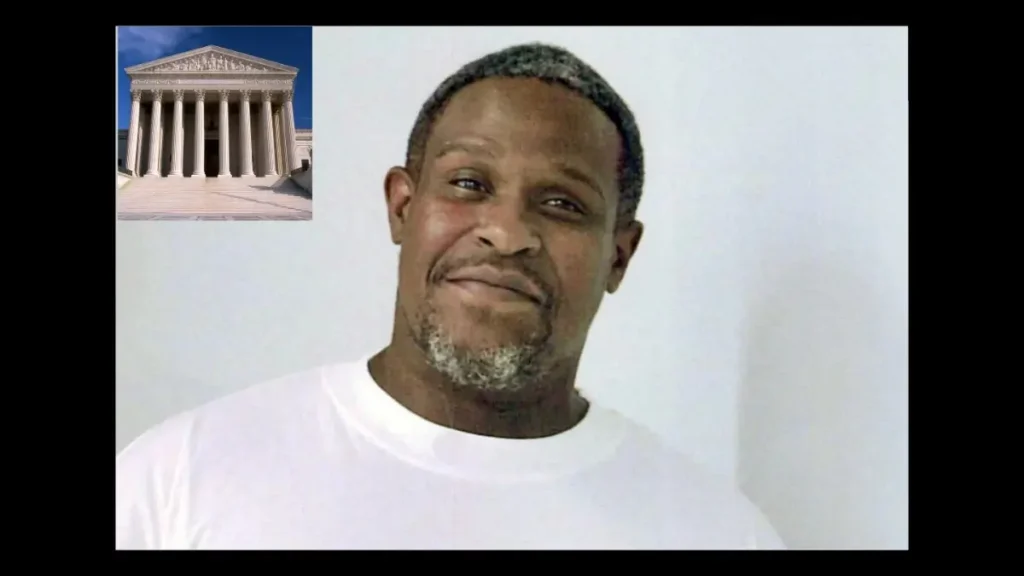
The Supreme Court’s recent ruling highlights a staggering miscarriage of justice that unfolded over two decades in Mississippi. A Black man, wrongfully convicted and condemned to death, has been fighting for his freedom amidst a trial system that was rigged against him from the start. The prosecutor’s relentless efforts to exclude Black jurors from the trial raise serious questions about racial bias and the integrity of the judicial process.
For too long, systemic racism has permeated the courtroom, leaving countless Black individuals at the mercy of a biased legal system. The prosecutor’s tactics to keep Black jurors off the jury panel were not just unethical—they were indicative of a larger pattern of discrimination that has historically plagued the justice system in the United States. This case forces us to confront uncomfortable truths about the ways race shapes legal outcomes and the desperate need for reform.
Now, after 20 long years of fighting for justice, the Supreme Court’s intervention offers a glimmer of hope not just for this man, but for the countless others who have been wronged by similar injustices. The ruling serves as a reminder that the fight for equality in the courtroom is ongoing and that the quest for true justice requires vigilance and commitment to dismantling the structures that allow such discrimination to persist. We must hold the judicial system accountable and strive for a future where every individual, regardless of race, is afforded a fair trial.
About The Author