By Tanya Brooks, PowerVault Staff
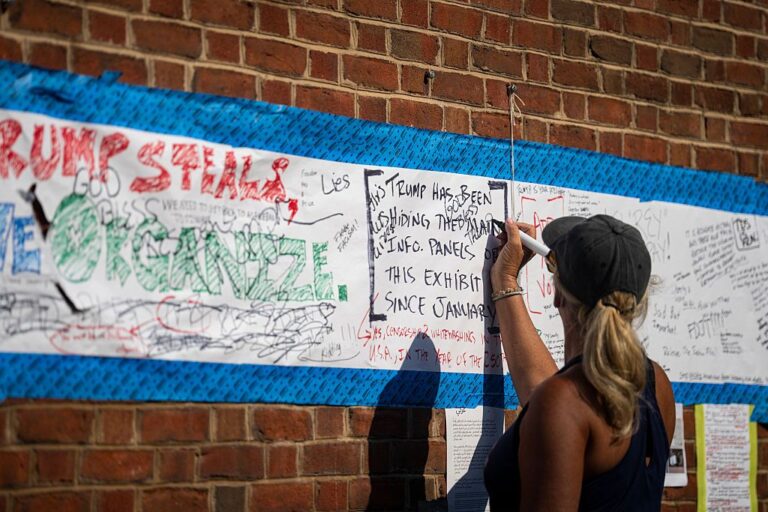
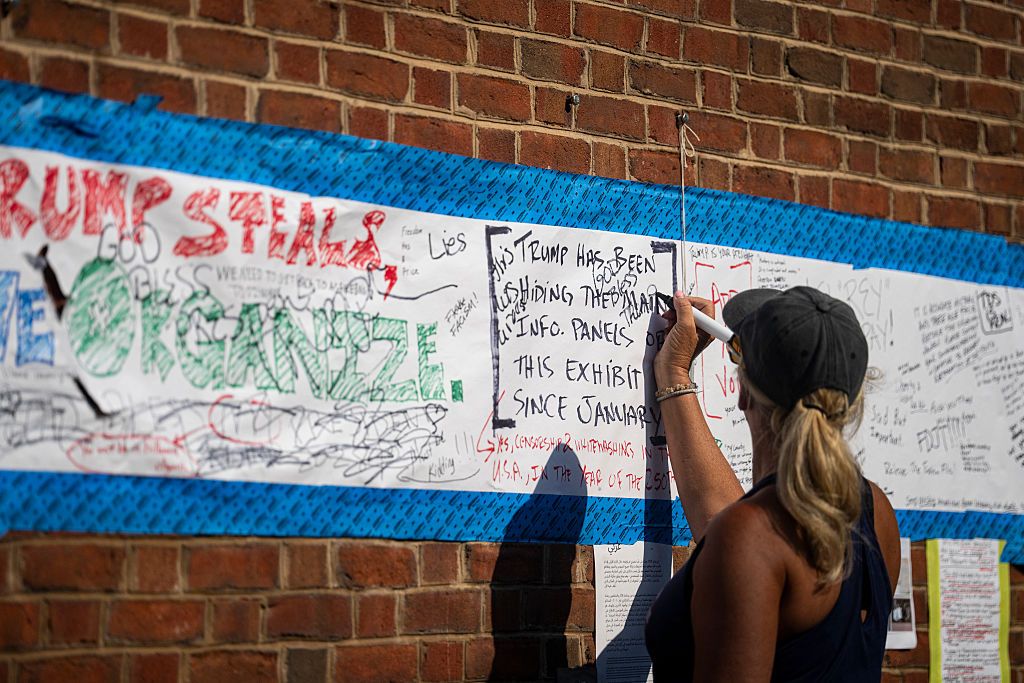
In a move that has sparked outrage and disappointment, Philadelphia has replaced its George Washington slavery exhibit—a powerful tribute to the nine enslaved individuals who were owned by the nation’s first president—with a whitewashed interpretation of Black history. The new exhibit, rather than delving into the painful realities of slavery and acknowledging the lives that were shattered under Washington’s ownership, seems to follow a more palatable narrative that ignores the raw truth of those times. Here we are, in a world that’s been rightly clamoring for a more honest reckoning with the past, and Philly has chosen to take a step back instead.
The original exhibit, which opened its doors in 2010, was a bold move toward acknowledging an uncomfortable but necessary part of American history. It didn’t shy away from depicting the lives and struggles of those enslaved, illuminating their stories with a depth that is often obscured in mainstream narratives. By swapping this narrative for a diluted version, authorities not only undermine the history of those nine individuals but also suggest that the legacies of slavery can be sanitized for public consumption. It’s a deliberate erasure that echoes through time—one that has historically sought to rewrite the stories of Black people to fit a more comfortable American dream.
This shift doesn’t just impact Philly; it sends a damaging message to Black communities everywhere. The erasure of our history, the stories of resilience, courage, and suffering, is a tactic long used to maintain a social order that favors the narratives of the powerful. It reflects a culture that continues to struggle with its own identity—where the truth about the past is still seen as too uncomfortable, too messy, or too threatening for public consumption. It’s a disturbing reminder that the fight for authentic representation isn’t merely a historical battle; it’s an ongoing struggle for dignity and respect in a society that often prefers to write over the edges of our stories.
Looking at similar historical moments, we can’t help but remember how many times Black voices and experiences were muffled or distorted. From the sanitized retelling of the Civil Rights movement to the erasure of pivotal figures like Ida B. Wells, the narrative of Black history has often been compromised in favor of a more comfortable—yet ultimately inaccurate—version of events. It’s a pattern that insists on making Black experiences palatable to those who would rather not confront their own complicity in systemic injustice. We’ve seen in recent years how these narratives are critical to fostering real change; the fights for social justice are often rooted in a firm understanding of history, yet here we are, facing the same battles anew.
So, what’s next? As we look forward, Philadelphia’s decision serves as a rallying cry for activists, educators, and historians alike to demand authenticity and transparency in the telling of our history. The Black community must continue to push for spaces that honor our full story, that uplift our ancestors rather than conform them to a narrative that serves the status quo. The response from the community will be crucial; we must not allow this moment to slip by unnoticed, as the stakes are too high. The bigger picture here is that the way we tell our history directly impacts how we view our present. The fight for an accurate representation is not just about the past; it’s about shaping a future where all voices are heard and respected.
About The Author