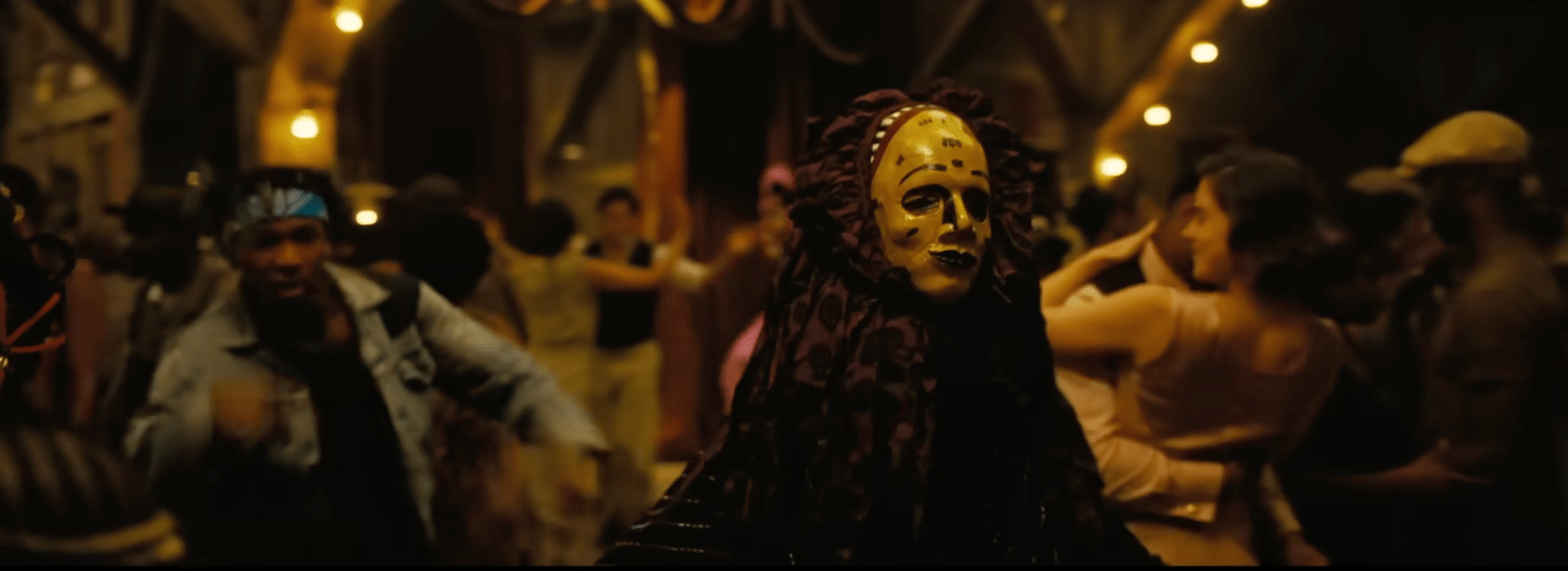
In the groundbreaking film “Sinners,” the Surreal Montage sequence offers a breathtaking exploration of the dynamic relationship between ancestral and contemporary Black music and dance. This isn’t just a history lesson; it’s a vibrant tapestry woven from the threads of memory, pulsating with life and emotion. The montage flows with an organic rhythm, akin to how our memories surface—sometimes linear, often chaotic, yet profoundly resonant. Each frame is a brushstroke on a canvas that celebrates cultural heritage, inviting the audience to feel rather than just observe.
The filmmakers masterfully blend images of traditional rituals and modern performances, creating a dialogue between the past and the present. As scenes flicker on the screen, we hear echoes of ancestral beats melding seamlessly with contemporary rhythms. This juxtaposition serves as a powerful reminder that the essence of Black music and dance transcends time, evolving yet unwavering in its roots. It challenges viewers to recognize the continuum of expression that defines Black artistry, showcasing how the past informs the future.
What makes this montage truly captivating is its ability to evoke visceral emotions. It doesn’t shy away from the complexities of cultural identity; instead, it revels in them. The visuals are a kaleidoscope of experiences—joy, sorrow, resistance, and celebration—all intertwined. As we watch the dancers move through space and time, we’re not just passive spectators; we’re participants in a shared legacy, witnessing how each generation reinterprets the stories that have been passed down.
Ultimately, “Sinners” invites us to embrace the chaos of memory. The Surreal Montage is a reminder that our cultural narratives are alive, constantly evolving and reflecting the depth of our experiences. It is both a celebration and an assertion: the rhythms of ancestral music remain as vital today as they were centuries ago. In crossing this threshold, the film compels us to engage with the rich tapestry of Black culture—a narrative that continues to resonate powerfully in our modern world.
About The Author