By Renee Fontaine | PowerVault Network Staff
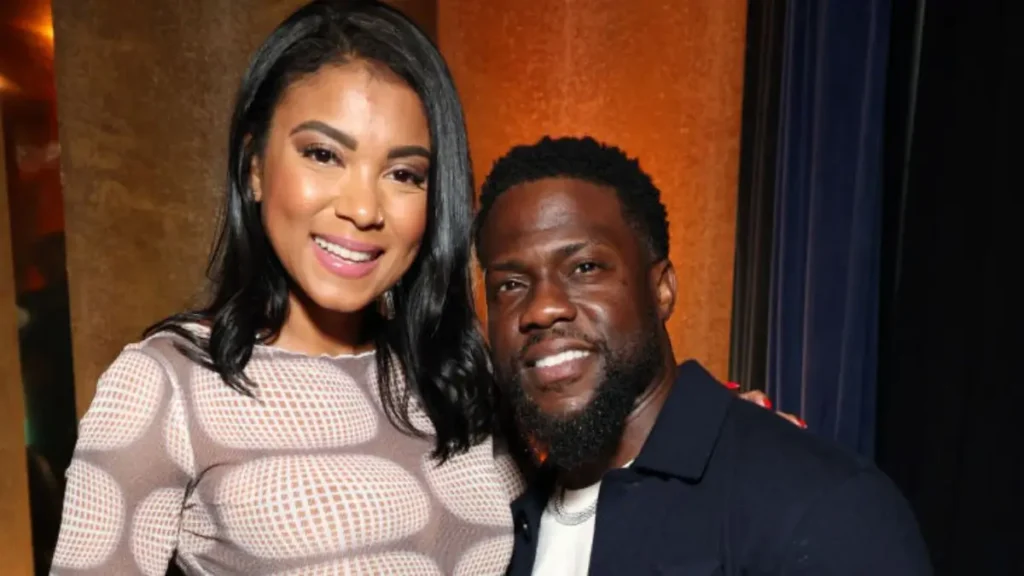
At the recent premiere of his latest Netflix project, comedian Kevin Hart and his wife, Eniko Hart, graced the black carpet with a captivating energy that caught many off guard. Fans who came to support the couple found themselves doing double takes as they struggled to recognize Eniko in her stunning new look. The transformation sparked a wave of reactions online, with some fans remarking, “She looks like a different woman.” As a society obsessed with public personas, this moment serves as a reflection point on beauty, identity, and the pressures that come with being in the spotlight.
Eniko Hart’s shift in appearance isn’t just a personal choice; it’s a part of a larger narrative within the entertainment industry where looks can often take precedence over talent. In a world where images are scrutinized and dissected, public figures like Eniko find themselves navigating a tightrope of expectations. Historically, Black women in the public eye have faced immense pressure to conform to specific beauty standards, often rooted in Eurocentric ideals. The fact that this transformation is sparking such buzz underscores how deeply ingrained these societal norms are and how they can overshadow other aspects of a person’s identity.
In many ways, Eniko Hart’s new look reflects a wider conversation about self-expression and autonomy in the Black community. The choices people make about their appearance—whether through fashion, makeup, or cosmetic procedures—can be seen as acts of personal empowerment. However, they also raise questions about authenticity and the desire to appease societal expectations. While some may celebrate her transformation as a form of self-love or reinvention, others might view it as a capitulation to the pressures of the entertainment industry. This duality can spark meaningful conversations about self-acceptance versus societal acceptance, especially among Black women who often feel the weight of such scrutiny.
For everyday fans and community members, moments like these can evoke a spectrum of emotions. Some may find inspiration in Eniko’s confidence and choose to embrace their own unique beauty, while others might wrestle with feelings of inadequacy in a world where such transformations are paraded as the ideal. Many of us have been conditioned to equate beauty with worth, and that can be a heavy burden to carry. In a community that has fought so hard for representation and acceptance, seeing someone like Eniko Hart make significant changes can incite feelings of both pride and concern—pride in her right to evolve and concern over the implications her transformation carries in the larger cultural narrative.
As we reflect on Eniko Hart’s new look, it’s essential to consider the broader implications it has on our society and, more specifically, on the Black community. It’s a reminder that while the pursuit of beauty can be a personal journey, it is also heavily influenced by external factors. As we embrace our individuality and celebrate our uniqueness, we must also challenge the narratives that dictate how we view ourselves and each other. Let’s encourage conversations about authenticity that go beyond aesthetics—conversations that delve into self-love, confidence, and the beauty of being unapologetically ourselves. In a world that often seems to prioritize image over substance, let’s pave the way for a culture that values depth, creativity, and genuine expression, one premiere at a time.
About The Author