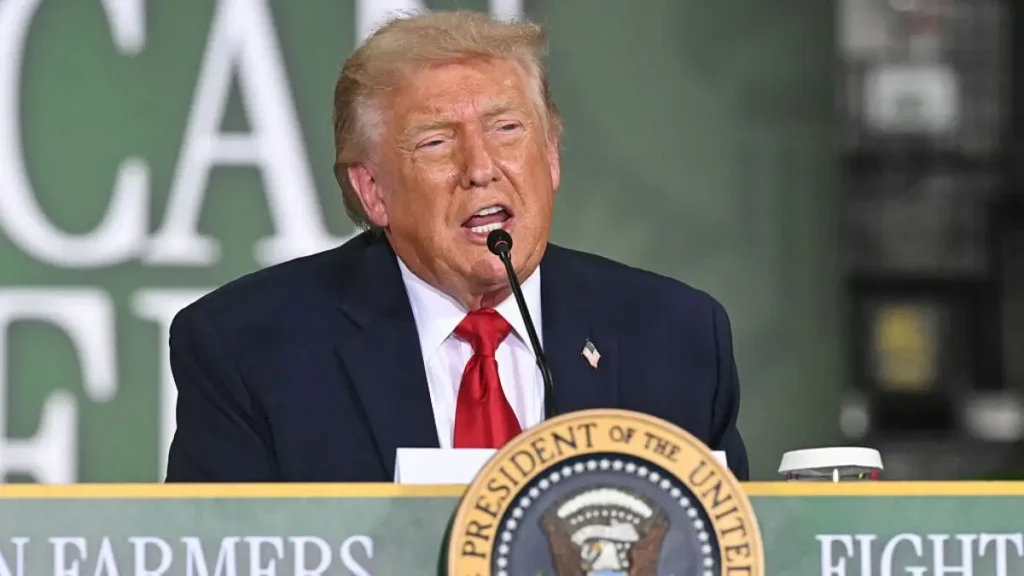
President Donald Trump spent part of the week celebrating what he described as a breakthrough agreement with Iran on Wednesday. However, behind this celebratory façade lies a familiar narrative: the search for scapegoats. Even as Trump hailed the potential for peace, whispers of dissent from within his inner circle hinted at unease over this fragile diplomatic win. His political allies are already sharpening their knives, ready to deflect blame should this deal crumble under its own weight.
It’s not unusual for Trump to set the stage for a blame game. Throughout his presidency, he’s demonstrated an uncanny ability to pivot responsibility onto others, all while presenting himself as the ultimate dealmaker. The moment the Iran deal faces turbulence, we can expect him to lay the groundwork for a narrative that absolves him and instead points fingers at his advisors or Iran itself. This tactic may resonate with his base, but it raises a vital question: what does accountability mean in the realm of international diplomacy when leaders are more concerned with self-preservation than the well-being of their nations?
The cryptic warning from one of Trump’s closest allies should not be overlooked. It serves as a harbinger of potential fallout, and in true Trumpian fashion, it suggests that preparation for a blame game is underway. As the diplomatic landscape continues to shift, the stakes remain high, and the consequences of a failed deal would ripple far beyond the White House—impacting global security and America’s standing on the world stage.
In the end, the question remains: will Trump’s diplomatic efforts yield a real breakthrough, or will history repeat itself as he pivots to deflect blame when things inevitably go south? As we watch this story unfold, one thing is clear: accountability in politics is often as elusive as peace itself.
About The Author