Black music is not just a collection of sounds; it is a profound testament to resilience, identity, and resistance. From the anguished cries of the spirituals sung in the fields to the vibrant beats of hip-hop echoing through city streets, it has served as a powerful vehicle for expressing the struggles and triumphs of the Black experience. Music has transcended mere entertainment, morphing into a form of protest that captures the collective pain and aspirations of a community. It amplifies voices that have been historically marginalized, making it impossible to ignore the realities faced by Black individuals.
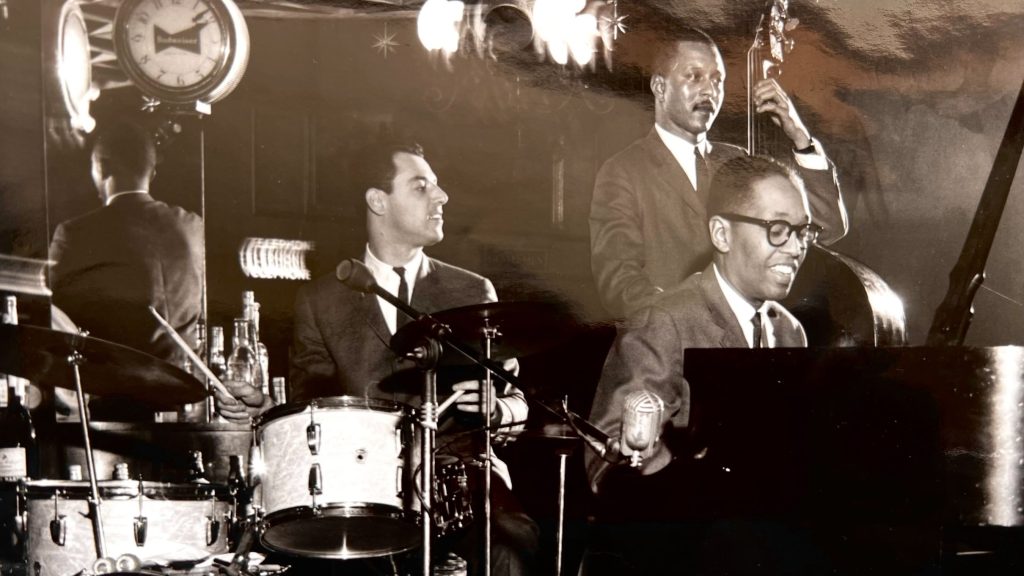
Throughout history, Black artists have used their craft to confront injustice and challenge the status quo. Genres like jazz, blues, and R&B emerged from the depths of oppression, infusing hope and resistance into their melodies. They became the soundtrack for movements advocating for civil rights, equality, and social justice. Today, artists continue this legacy, channeling their experiences into lyrics that resonate deeply with listeners. Songs have become anthems, rallying cries that unify people in the fight against systemic racism and inequality.
Moreover, Black music is a celebration of culture and heritage. It weaves stories that preserve history, passing down knowledge and experiences from generation to generation. In every note and lyric lies the heartbeat of a community, a reminder of where they came from and the resilience that defines them. This cultural richness not only empowers those within the community but also educates others, fostering understanding and empathy.
As we navigate a world that often seeks to silence dissent, Black music remains a powerful form of resistance. It challenges us to listen, to feel, and to act. In its rhythmic pulse, we find the strength to confront injustices and the courage to envision a future where freedom and equality are more than just distant dreams.
About The Author