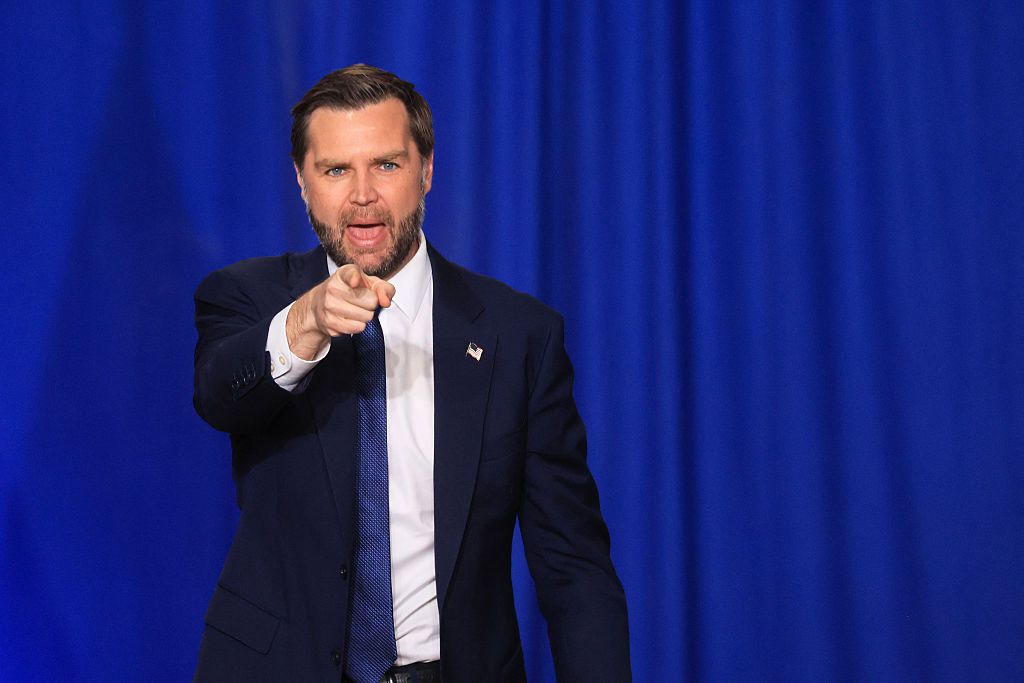
In a fiery segment on The View, Ohio Senator JD Vance found himself on the defensive when pressed by Whoopi Goldberg about former President Donald Trump’s controversial stance on Black history and the erasure of pivotal contributions from African Americans. Vance’s attempts to dodge direct questions only highlighted the uncomfortable reality of his party’s dismissive attitude toward the historical narratives that shape our society. It’s no secret that Trump’s administration often downplayed the significance of Black voices and stories, yet Vance seemed ill-prepared to engage in a genuine discussion about the implications of this oversight.
Goldberg, known for her sharp wit and no-nonsense approach, did not let Vance sidestep the issue. She challenged him to confront the commonly held belief that Trump’s policies and rhetoric have systematically marginalized Black communities. Vance’s responses, which some might characterize as playing dumb, did little to reassure viewers that he had a firm grasp on the realities of racial history in America. Instead of acknowledging the deeper issues at play, Vance’s vague answers came across as an attempt to placate rather than engage.
The exchange illuminated a broader issue within the GOP—an unwillingness to confront uncomfortable truths about race and history. Vance’s reluctance to fully address the impact of Trump’s policies suggests a troubling trend among Republican lawmakers who prioritize party loyalty over accountability. As viewers tuned in, it became clear that discussions about race and history cannot simply be brushed aside, especially by those in positions of power. It’s a debate that is far from over, and with platforms like The View shining a light on these crucial conversations, it’s evident that the fight for recognition and justice continues.
About The Author