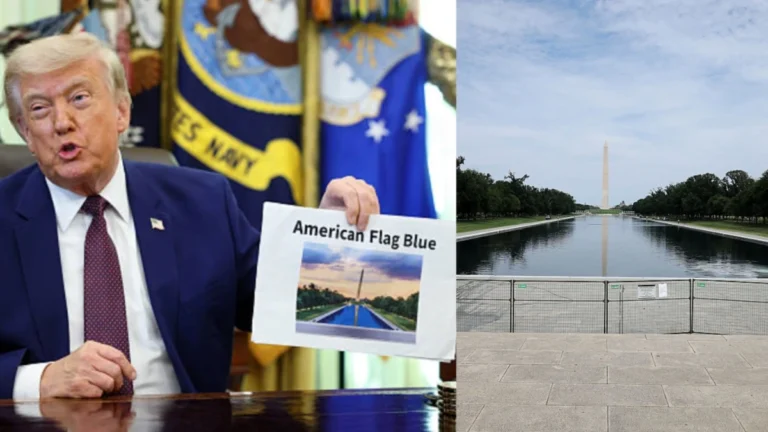
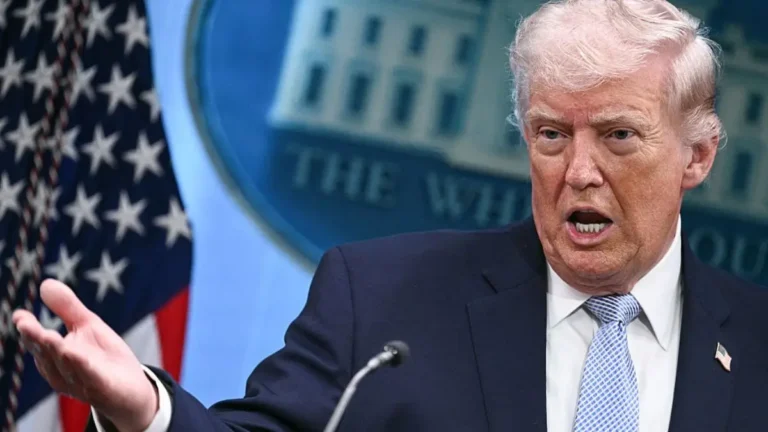
As we inch closer to the 250th anniversary of America, what was once touted as a grand celebration of freedom and unity has quickly devolved into an unintentional comedy show, courtesy of Donald Trump. The Freedom 250, initially pitched as a patriotic extravaganza to honor the nation’s history, is now more of a nightmare than a dream. Reports are surfacing that the event is in jeopardy, with the president scrambling to salvage this imploding spectacle by adding bizarre attractions to the lineup—much to the bewilderment of onlookers and internet users alike.
With the Fourth of July around the corner, one can only imagine the planning chaos swirling around the Trump administration. It’s almost as if the historical significance of this moment is lost in translation, overshadowed by Trump’s need for spectacle over substance. The sheer absurdity of throwing random attractions into the mix—like a reality-show-style talent competition—has left many scratching their heads and others outright laughing. It’s hard to believe that a commemoration designed to bring people together could morph into an episode of “America’s Got Talent: The Presidential Edition.”
For many in the Black community, this scenario isn’t just amusing; it’s a stark reminder of how often our history is treated as a backdrop for political theater. The narrative of America’s independence and freedom is rooted deeply in our struggles, triumphs, and contributions. Yet, as we watch this chaotic preparation unfold, it becomes glaringly apparent that for some, history is merely a prop to be manipulated for entertainment. We need to reclaim the importance of our stories, making sure that our voices are heard, respected, and celebrated—not just as an afterthought in a farcical event.
The irony is rich; as Trump attempts to sell this chaotic vision of America’s past, the very essence of freedom and unity is being overshadowed by absurdities that distract from the real issues at hand. This july, while some will be waving flags and celebrating, others will be reflecting on the deeper, often painful history that whitewashed narratives like this tend to ignore. We’ve come too far to let our legacy be diluted into a punchline.
So as we march toward the Freedom 250, let’s keep our eyes on the bigger picture. We have the power to define what freedom truly means in this country, and it’s much more than a stage show or a celebrity cameo. It’s about our resilience, our culture, and our unyielding fight for justice. Let’s make sure that when the dust settles, we’re not just a footnote in a chaotic celebration, but the leaders and voices that guide this nation toward an authentic vision of freedom and equality.
About The Author