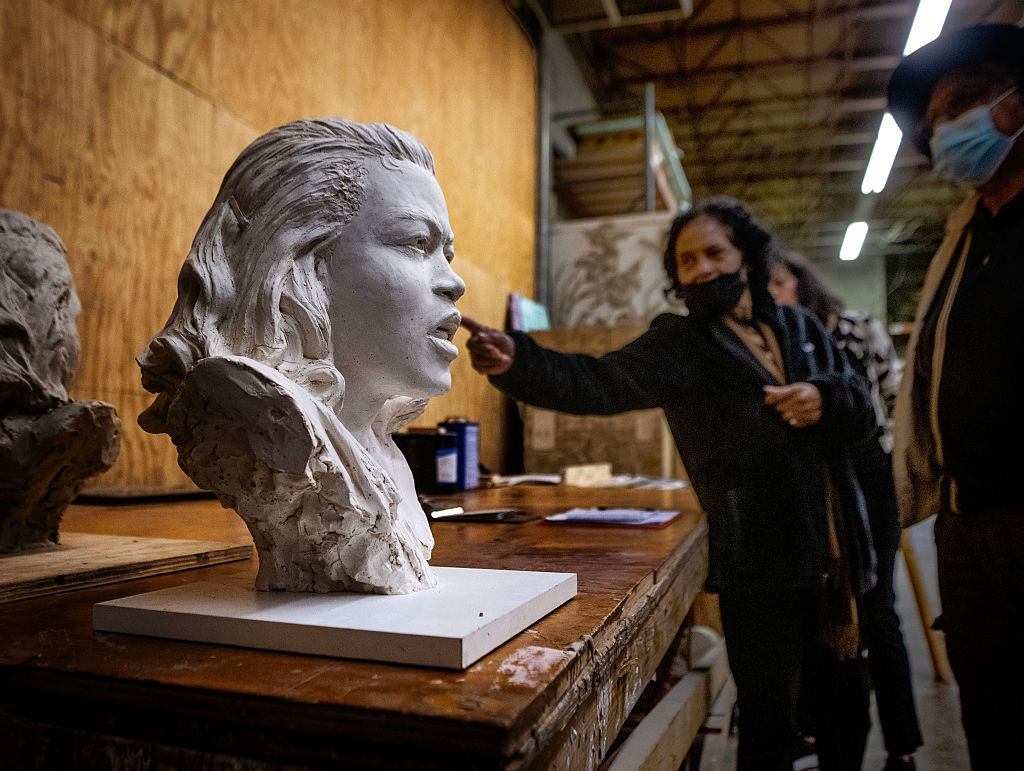
On December 16, a significant change was made in the U.S. Capitol, with the unveiling of a statue honoring Barbara Rose Johns, a remarkable Black teenager whose actions in the early 1950s catalyzed a movement for educational equity in America. This piece of art replaces the statue of Confederate General Robert E. Lee, symbolizing a shift in how we recognize and celebrate figures who have truly impacted our nation’s history. Johns’ story is one of courage, resilience, and relentless pursuit of justice, and it deserves to be front and center in the narrative of American progress.
In 1951, at just 16 years old, Barbara Rose Johns led a walkout at her segregated high school in Farmville, Virginia, protesting the deplorable conditions and inequities faced by Black students. Her bold action was not taken lightly; it ignited a larger movement that played a significant role in the legal battles against school segregation across the country. Johns’ determination and leadership became a vital part of the contributions that eventually led to the landmark Supreme Court case, Brown v. Board of Education, which declared racial segregation in public schools unconstitutional.
The unveiling of her statue marks an important recognition of the young activists who have fought for justice and equality, often at great personal risk. Barbara Rose Johns may have been a teenager at the time of her protest, but her impact resonates through the generations that followed. By placing her statue in the Capitol, we are not just honoring her legacy; we are reaffirming our commitment to the values of equity and justice that this nation strives to uphold. Let this be a reminder that true change often begins with the courage of young voices willing to stand up against injustice.
About The Author