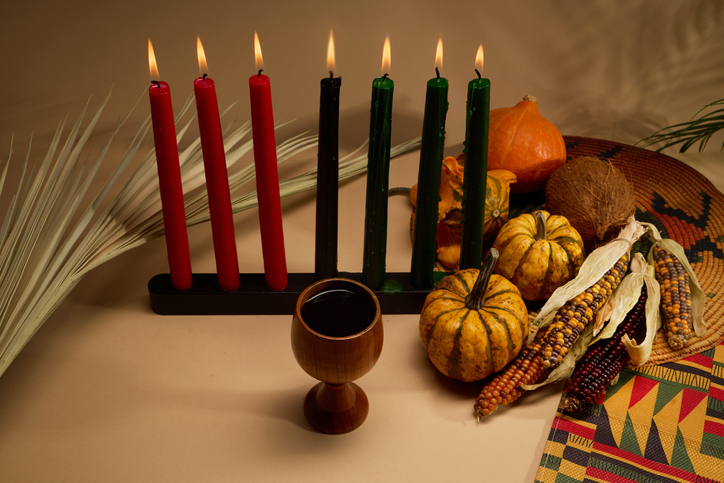
In a nation where cultural identity is often tethered to the dominant narrative, Kwanzaa stands as a beacon for Black empowerment and self-determination. The holiday, which celebrates African heritage and community values, is frequently dismissed by critics as ‘fake’ or a mere ‘marketing gimmick.’ Such outrage reveals more about the critics than it does about Kwanzaa itself. It underscores a discomfort with the idea that Black individuals can carve out their own narratives, independent of the white-centric frameworks that have long defined American society.
Kwanzaa teaches us that identity is not a passive inheritance but an active, deliberate choice. It encourages Black folks to build meaning in their lives, emphasizing principles like unity, self-determination, and collective work. This celebration is not just a holiday; it’s a movement, a reminder that we can define our own stories and that those stories are worthy of recognition. In a country that often sidelines Black culture, Kwanzaa emerges as a powerful affirmation that we do not need permission to celebrate ourselves.
The backlash against Kwanzaa is rooted in a refusal to accept that Blackness can exist outside the confines of whiteness. Critics may scoff at the holiday, but in doing so, they reveal their own insecurities about losing the power to define what is ‘real.’ The truth is that Black culture is rich, diverse, and deserving of its own space—Kwanzaa is a celebration of just that. Instead of deriding this holiday, America would do well to embrace its message: that a community united in purpose can create its own meaning, regardless of the mainstream narrative.
About The Author