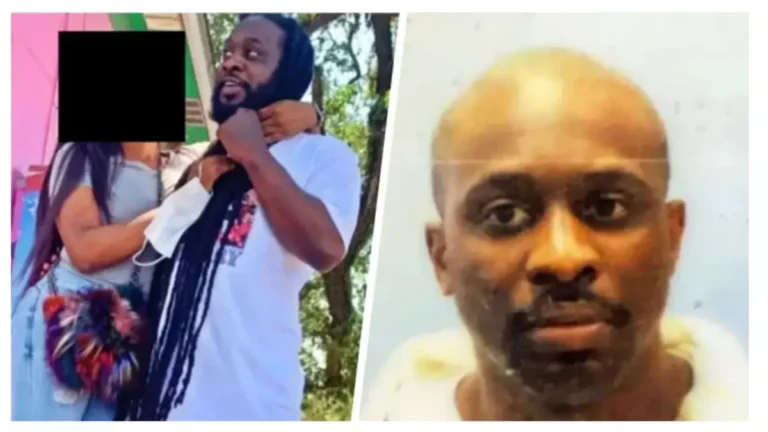
The U.S. Supreme Court recently made a significant ruling regarding the rights of inmates, particularly in a case that highlights the intersection of cultural identity and human rights. A former Louisiana inmate, a Rastafarian man, was subjected to a humiliating ordeal when prison guards forcefully cut his locs while he was handcuffed to a chair. This act was not just a violation of personal dignity; it was a blatant disregard for his religious beliefs, which are deeply intertwined with his hairstyle. The Supreme Court recognized this violation, emphasizing that such treatment is unacceptable in a society that values individual rights.
However, in a twist that has ignited outrage, the Court ruled that the inmate cannot seek monetary damages for this egregious violation of his rights. This decision raises critical questions about accountability and the repercussions for those who abuse their power. If the state can openly disregard the rights of individuals with impunity, what message does that send about the sanctity of personal identity and religious practices? The ruling appears to imply that while the act was wrong, the consequences for those who perpetrate such violations are negligible.
The implications of this ruling extend far beyond one man’s experience. It speaks to a broader systemic issue within the prison system, where the dignity and rights of inmates are often trampled upon without recourse. For the Rastafarian community and others who see their identity reflected in their hairstyles, this ruling serves as a stark reminder of the ongoing struggles for recognition and respect. While the Court may have acknowledged the wrong done, the inability to seek damages is a bitter pill to swallow, leaving many to wonder how justice can truly be served in a system that often fails its most vulnerable.
About The Author