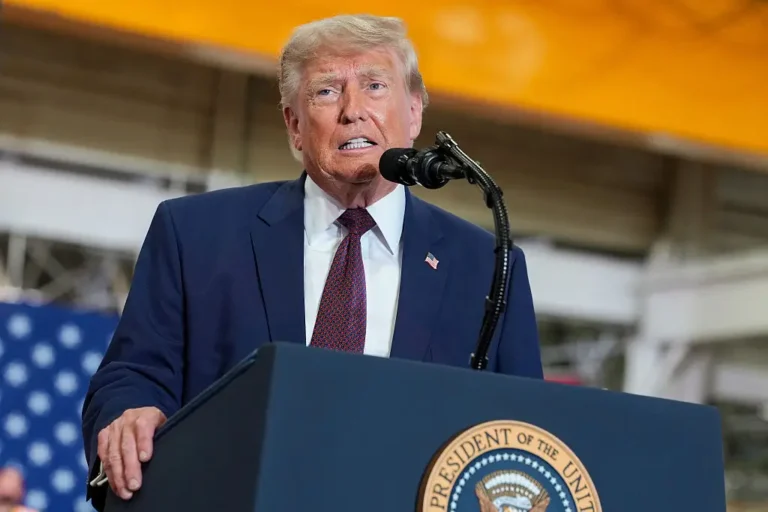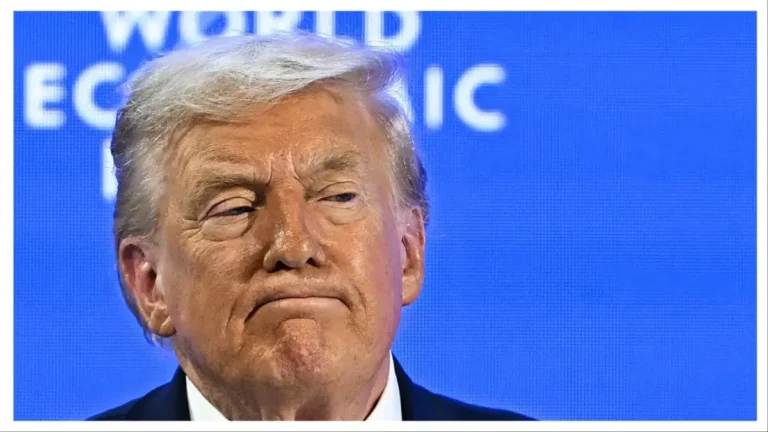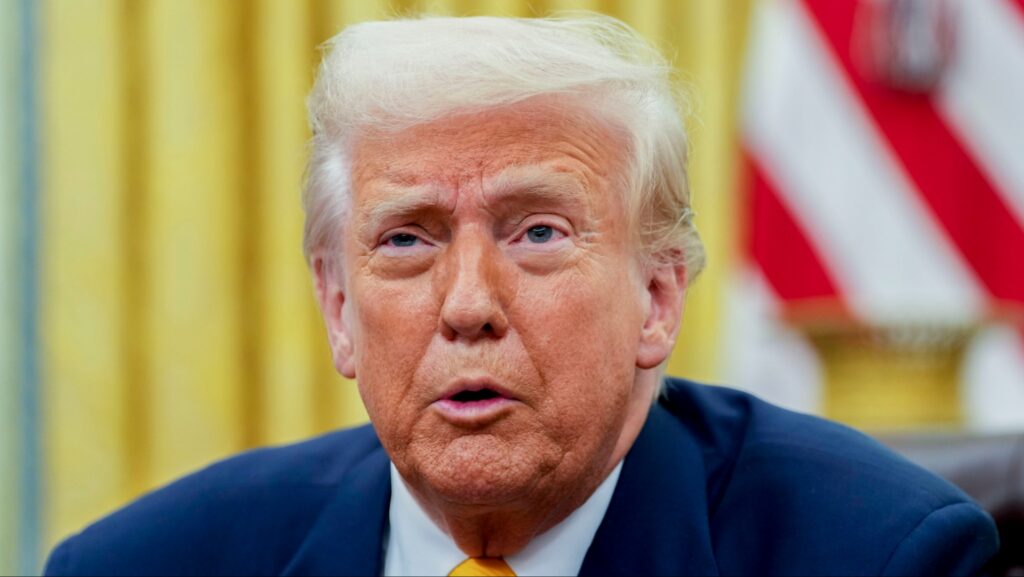

The Supreme Court has made a significant ruling that will echo through the halls of political discourse for years to come, officially upholding birthright citizenship. In a resounding dismissal of Donald Trump’s controversial proposal to end the long-standing policy, the Court has reinforced the notion that anyone born on U.S. soil is granted citizenship, a right protected under the 14th Amendment. This news not only solidifies the legal framework surrounding citizenship in America but also serves as a major blow to the former president’s ongoing efforts to reshape immigration laws.
Trump’s insistence on ending birthright citizenship was a cornerstone of his platform during his presidency, stirring heated debates and garnering fervent support from his base. However, the Supreme Court’s ruling underscores a critical point: the Constitution remains a strong protector of individual rights, regardless of the political climate. This verdict comes at a time when immigration remains a polarizing topic, and Trump’s proposal, rooted in controversy, has now been cast aside by the highest court in the land.
In the wake of this ruling, the political landscape is bound to shift. Trump has made no secret of his discontent with the judiciary, often criticizing the system when it doesn’t align with his agenda. As he continues to navigate his political ambitions, this decision will undoubtedly fuel his narrative of being the champion of a ‘true’ America, while simultaneously energizing those who see this ruling as a celebration of inclusivity and justice. The implications of this ruling will likely resonate in upcoming elections as the fight for the soul of America continues.
About The Author