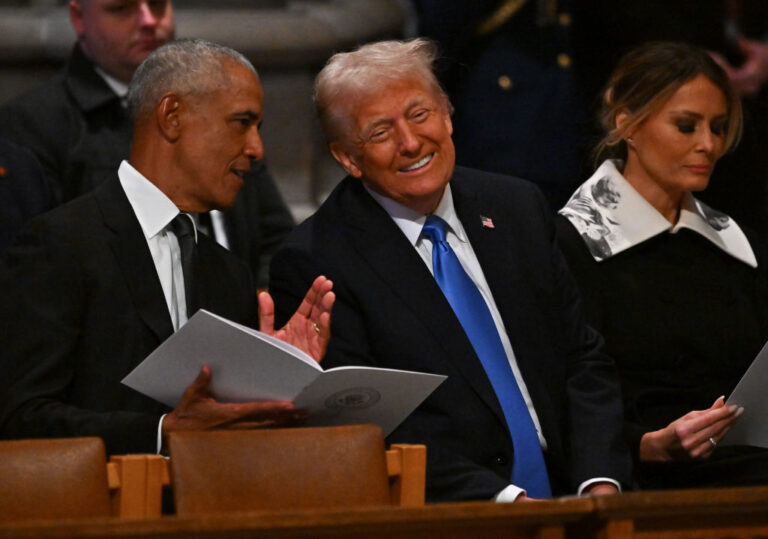
In a landmark ruling, the Supreme Court of the United States has decided that states have the authority to prohibit transgender girls from competing in women’s school sports. This controversial decision has ignited a firestorm of debate, touching on critical issues of rights, fairness, and the extent of governmental power in regulating sports at the school level. Former President Donald Trump quickly hailed the ruling as a “big win,” showing the significant political implications this decision carries as the nation grapples with evolving discussions around gender identity.
The ruling comes at a time when the inclusion of transgender athletes in competitive sports has become a lightning rod for conflict, pitting arguments for equity against concerns over competitive fairness. Critics of the decision argue that it undermines the rights of transgender individuals and sends a damaging message about their inclusion in society. Proponents, on the other hand, claim that allowing transgender girls to compete against biological females creates an uneven playing field, which can have serious implications for female athletes.
The implications of this ruling extend beyond the sports arena, as it raises critical questions about how states define and protect the rights of all athletes. As states consider their next moves, the ruling sets a precedent that could influence similar legislation across the country, prompting a wave of responses from advocacy groups and lawmakers alike. The national conversation around this issue is far from over, as stakeholders on all sides prepare to respond to this pivotal moment in the ongoing fight for equality and fairness in athletics.
About The Author