By Simone Walker, PowerVault Staff
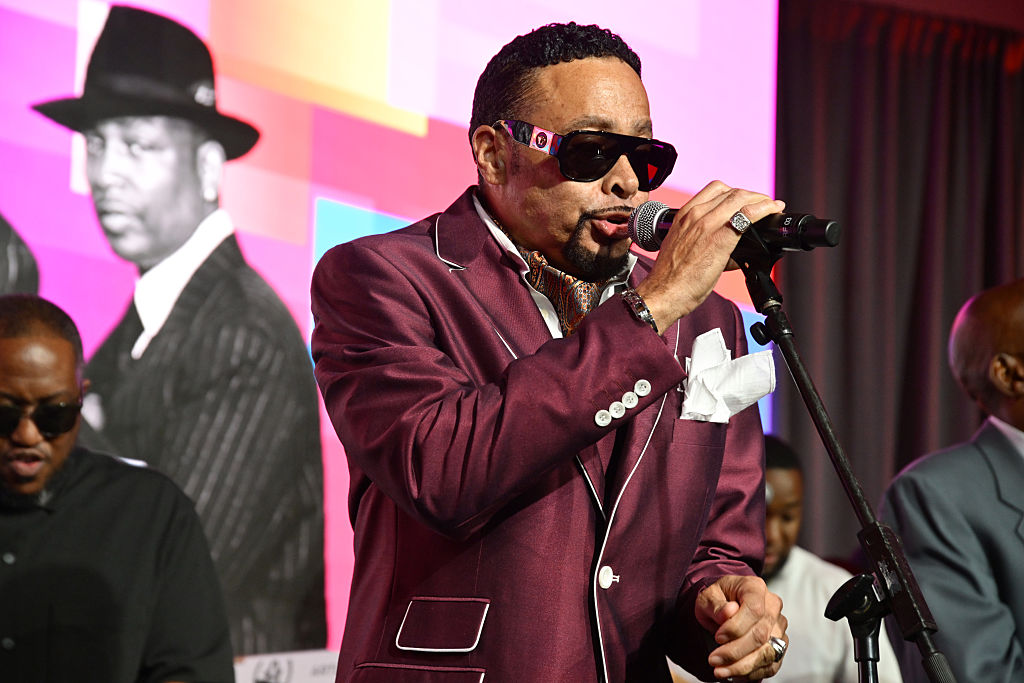
Recently, the news broke that iconic artists Young MC and Morris Day have decided to withdraw from the Freedom 250 concert slated for next month in Washington, D.C. This event, which has been framed as a celebration of freedom, ironically features a controversial figure at its helm—former President Donald Trump. The decision of these artists to step away speaks volumes, revealing a complex landscape of politics, culture, and the legacy of Black artistry in America.
To understand the significance of this moment, one must examine the broader context of Black artists and their relationship with political power. Historically, artists, especially those from the hip-hop and R&B genres, have used their platforms to comment on social injustices, often at great personal and professional risk. In this case, the Freedom 250 concert has sparked outrage among many in the Black community, who view Trump’s tenure as a time of division rather than unification. The artists’ withdrawals are not just about a single concert; they represent a refusal to lend credibility to a figure who has consistently undermined the rights and dignity of marginalized communities.
From our perspective at PowerVault, the decisions made by Young MC and Morris Day highlight a pivotal moment in the evolution of Black cultural expression. We’re witnessing a generation of artists who are not afraid to take a stand, drawing a line between their artistry and the politics they choose to endorse. This is not merely about one concert; it is about the reclamation of narratives and the importance of aligning one’s art with values that resonate with their community. It’s a profound reminder that the legacy of the Black artist is entwined with activism, resilience, and the ongoing fight for equity.
Looking back, this is reminiscent of the outcry during the 1991 Super Bowl when several prominent Black artists refused to perform amidst political controversies surrounding the event, citing similar issues of integrity and representation. Just as those artists navigated their choices in a polarized climate, today’s musicians are also grappling with the implications of their involvement in events that could seem to endorse regressive ideologies. The withdrawal from the Freedom 250 concert is emblematic of a growing consciousness among Black artists who recognize their influence and are increasingly unwilling to compromise their values for the sake of visibility or financial gain.
As we move forward, all eyes will be on the ripple effects of these decisions. Will other artists follow suit, rejecting platforms that do not align with their principles? Or will the allure of fame and fortune tempt some to engage with controversial figures? The bigger picture reveals how the landscape of Black artistry is shifting, driven by a new generation of creators who understand the weight of their voice. This moment serves as a crucial checkpoint, inviting us to reflect on what it means to be a Black artist in America today and what responsibilities that entails. In a world where authenticity holds more power than ever, the choices made in this moment could shape the narratives of generations to come.
About The Author