By Marcus Ellison, PowerVault Staff
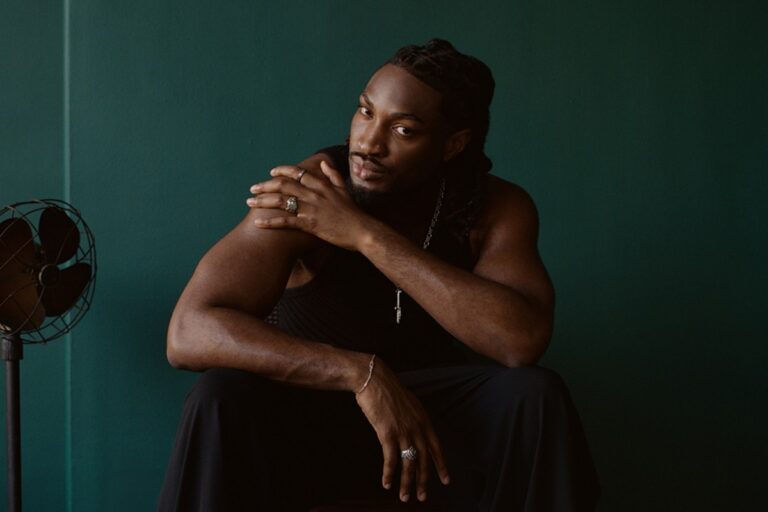
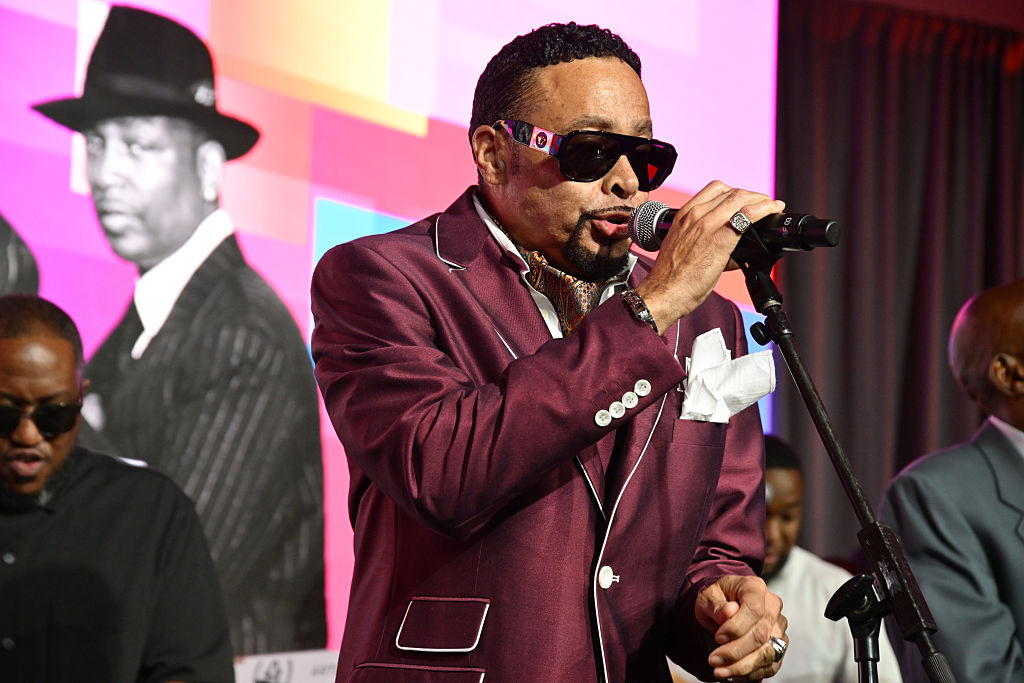
In a striking show of resistance, hip-hop legends Young MC and Morris Day have opted out of the upcoming Freedom 250 concert in Washington, D.C., an event billed to celebrate the 250th anniversary of the United States. This decision isn’t just a mere scheduling conflict; it sends a powerful message about the intersection of culture and politics, especially within the Black community. When artists like these step back from the spotlight of a politically charged event, it raises crucial questions about who we choose to align with and what values we are willing to endorse.
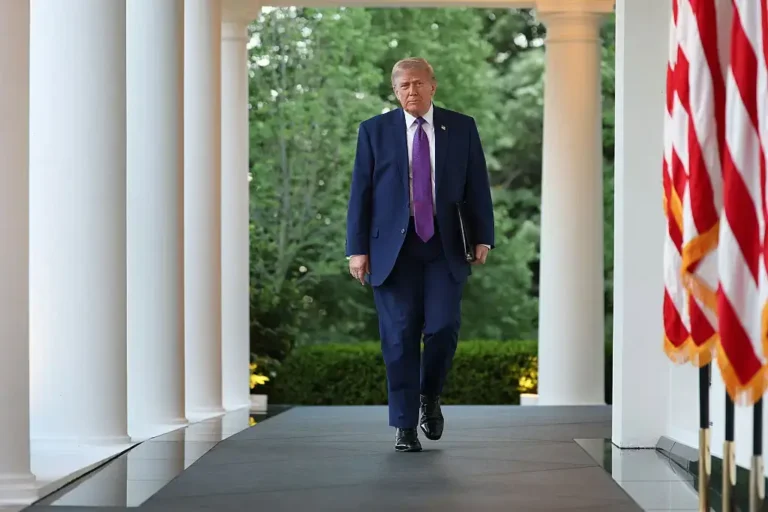
The Freedom 250 concert is spearheaded by former President Donald Trump’s administration, a figure whose tenure was marred by controversy, divisive rhetoric, and policies that often marginalized communities of color. Trump’s approach to governance has left many in the Black community feeling alienated and disrespected. From the handling of protests against police violence to the rhetoric around immigration and race, Trump’s presidency was a cacophony of moments that prompted discomfort and dissent. For artists, especially those of Black descent, it’s not just about performance; it’s about integrity and representation. The decision to withdraw from this concert is emblematic of a broader cultural reckoning.
For the culture, this move signifies a vital stand against commodification and tokenism. When Black artists are approached to participate in events that may not align with their values or the sentiments of their community, it’s crucial for them to take a stance. Music has historically been a platform for advocacy and revolution, and pulling out of an event that doesn’t resonate with one’s principles is a way to reclaim that power. It demonstrates a refusal to stand on a stage that doesn’t honor the very essence of Black culture and its struggles. This is a moment for artists to remind themselves and the world that they are not mere entertainers but ambassadors for their people.
Looking back, we can draw parallels to the 2017 Women’s March, where many high-profile artists decided to use their platforms to advocate for social justice instead of endorsing a regime they deemed harmful. There, too, artists swayed public opinion and were instrumental in amplifying the voices of marginalized communities. Like then, the decision to withdraw from the Freedom 250 concert underscores a larger trend of artists who are no longer willing to remain silent in the face of injustice. The days when artists felt pressured to perform regardless of the political implications are fading; we are witnessing a renaissance of conscious artistry.
As we move forward, this moment acts as a litmus test for the industry. The question looms: will other artists follow suit, or will they choose to brush aside personal convictions for the sake of fame or financial gain? The landscape of hip-hop and Black artistry is evolving, with a growing emphasis on social consciousness and accountability. The response to the Freedom 250 concert may pave the way for similar decisions in the future, pushing more artists to align their performances with their beliefs.
In a world where the lines between art and activism are increasingly blurred, the choices of artists like Young MC and Morris Day serve as a clarion call. It’s an invitation for other entertainers to evaluate their participation in platforms that may not uplift, but instead exploit. Let’s keep our eyes on the future as the culture continues to evolve; we may find ourselves at a transformative crossroads where our voices can redefine the narrative.
About The Author