By Malik Carter, PowerVault Staff
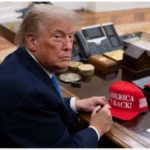
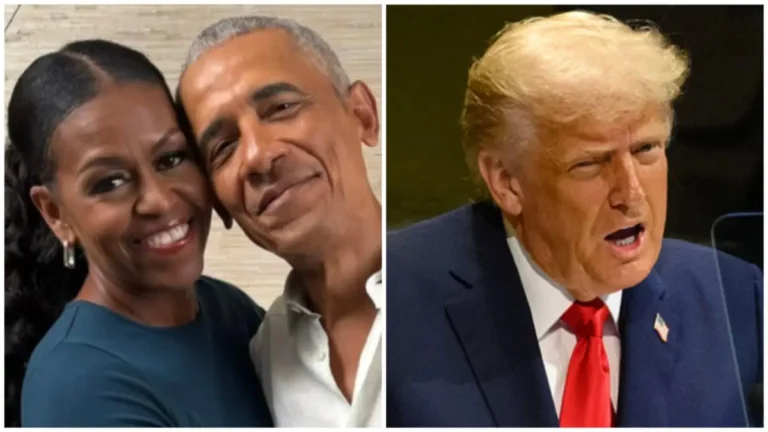
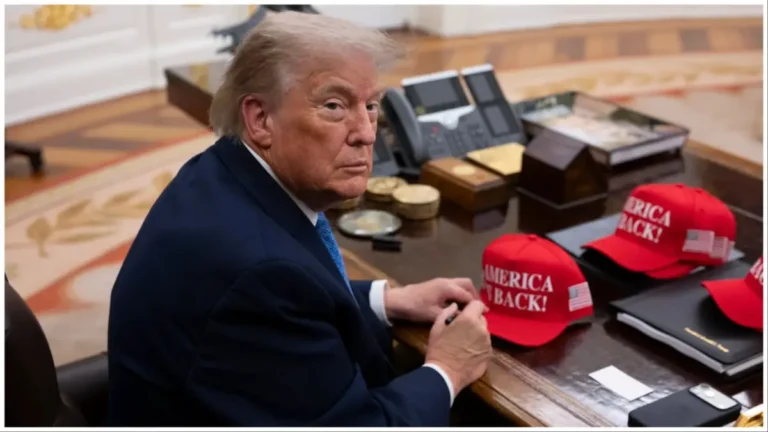
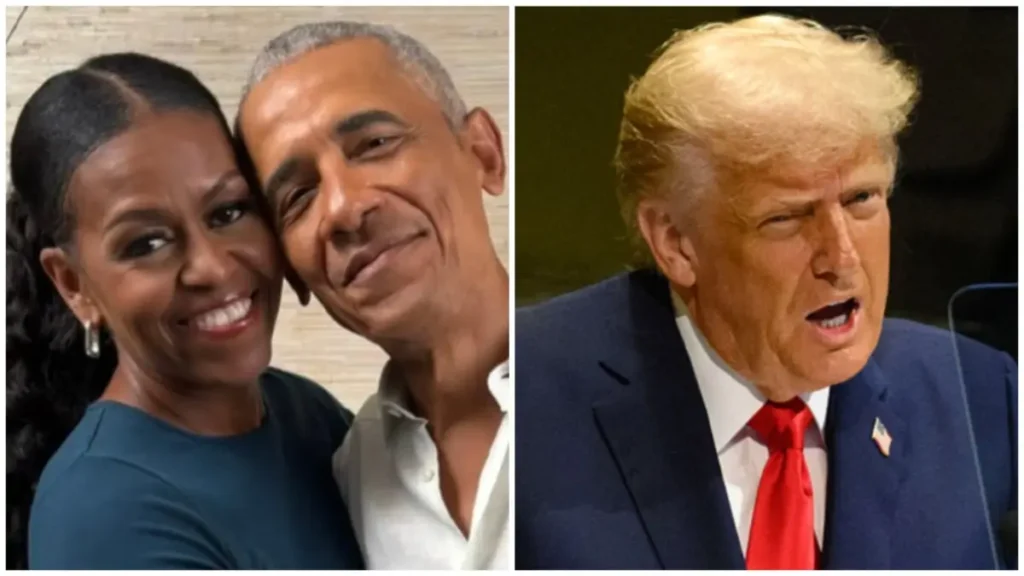
In the latest spectacle of political pettiness, former President Donald Trump has once again taken aim at Barack Obama, unleashing a barrage of insults that reinforce his long-standing obsession with the first Black president of the United States. In a recent tirade, Trump labeled Obama with derogatory terms, coupled with AI-generated images designed to mock and belittle. It’s a striking reminder that for Trump, the game of deflection and division continues to thrive—a tactic that often finds its roots in deeply ingrained racial prejudices that are never too far beneath the surface in American politics.
To truly grasp the implications of Trump’s latest outburst, one must recognize the historical context of his animosity toward Obama. Since Obama’s election in 2008, Trump has positioned himself not just as a political opponent but as a self-appointed arbiter of Black respectability. His derision is not rooted merely in political disagreement; it’s intertwined with a larger narrative of white supremacy that seeks to delegitimize the achievements of Black individuals in positions of power. This obsession serves to distract his base from pressing issues like policy and governance, instead fueling a culture war that hinges on race, identity, and the status quo.
What does this mean for Black culture and our community? It’s a troubling reminder of how far we still have to go in dismantling the stereotypes and narratives that continue to hold us back. Trump’s rhetoric not only seeks to undermine Obama’s legacy but also aims to perpetuate an environment in which Black excellence is labeled as a threat. For many in our community, this isn’t just political theater; it’s a call to action. The resilience we’ve exhibited in the face of adversity must also translate into a conscious effort to uplift our narratives, counteract the hate, and ensure our history and achievements are honored and respected.
This situation echoes past moments in which racial slurs and derogatory comments were wielded as weapons against prominent Black figures. Think back to the way critics derided Oprah Winfrey or Michelle Obama. These women too faced relentless scrutiny that was often racially charged. The common thread here is the fear and discomfort that the progress of Black individuals elicits in certain segments of society. It elucidates a fundamental truth: the more we rise, the harder some will try to tear us down, and it’s up to us to rise above those attacks without losing our sense of self.
As we look ahead, it’s crucial to remain vigilant. Trump’s antics may appear trivial, but they find resonance in a larger conversation about race, identity, and power in America. We need to watch how these narratives unfold and affect our political climate as the nation braces for future elections. The question remains: will we continue to engage with the toxicity of such rhetoric, or will we shift our focus toward building a future that elevates authentic voices in our community? The stakes are high, and the time for action is now.
About The Author