By Andre Coleman, PowerVault Staff
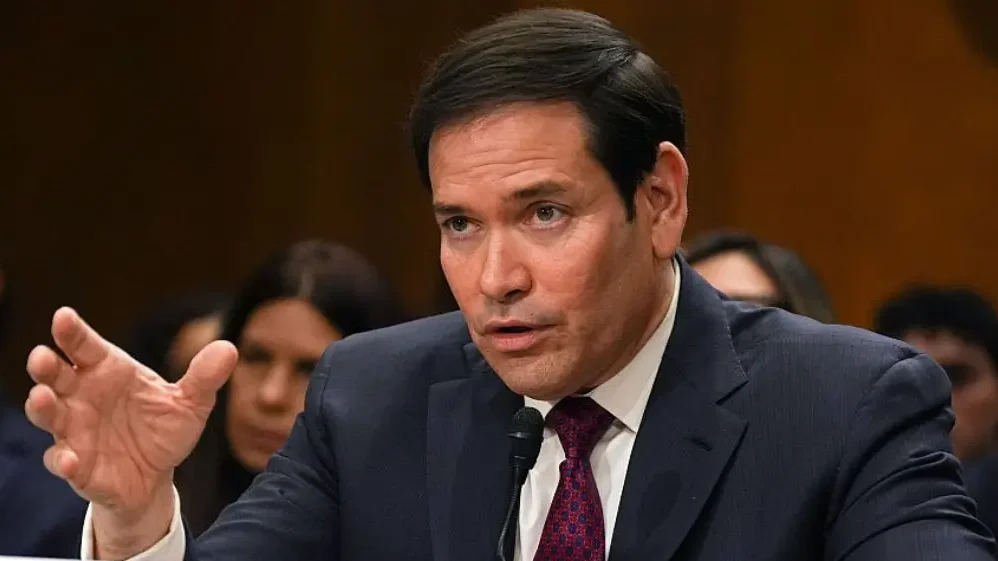
In a moment that has raised eyebrows across the political spectrum, Senator Marco Rubio reportedly admitted behind closed doors that former President Barack Obama managed certain aspects of his job better than Donald Trump. This admission, which has been described as a slip, has the potential to shift the narrative around Trump’s presidency and the loyalty of those within the GOP. It’s a statement that could be seen as both a critique of Trump’s legacy and a testament to the challenges he faces within his own party.
To understand the weight of Rubio’s comments, we need to consider the context in which they were made. Trump’s presidency has been characterized by controversy, divisive rhetoric, and a departure from traditional diplomatic norms. Obama, on the other hand, is often heralded for his calm demeanor and measured approach to international relations. Rubio’s acknowledgment that Obama did a better job in this aspect isn’t just a solitary critique; it reflects a growing discontent among some Republicans toward Trump’s chaotic style of leadership. It also underlines a disturbing trend where loyalty to party over principles is being challenged, even within the ranks of those who once stood firmly by Trump.
For the Black community, this moment is more than just political banter; it serves as a reminder of how critical leadership is in shaping not only the nation’s policies but also its cultural identity. Obama’s administration made significant strides in areas that directly affected Black lives, from healthcare reform to criminal justice initiatives. The implications of Rubio’s admission resonate loudly, suggesting that perhaps a return to more thoughtful governance could yield positive results for marginalized communities. It raises a key question: who really stands for the interests of the Black community, and how do we hold those in power accountable for their actions?
This sentiment echoes back to similar moments in history when leaders grappled with their legacies. Think back to George W. Bush, who, after his presidency, acknowledged some of the missteps during his administration, particularly regarding the Iraq War. Just as Bush’s reflection carved out a space for dialogue about accountability and growth, Rubio’s comments challenge Trump and his supporters to reconsider their positions and the long-term impact of their policies. It’s a moment that invites not just reflection but action, as it reiterates the importance of leadership that embodies integrity and responsibility.
As we move forward, all eyes will be on how Trump responds to this revelation. Will he dismiss it as another unfounded attack from within the party, or will he reflect on the implications of such a statement? This scenario could be indicative of a larger rift within the Republican Party, one that could reshape alliances and influence upcoming elections. For the Black community, engaged in a constant struggle for equity and representation, this is a pivotal moment to ensure that our voices are heard loud and clear, reminding those in power that accountability matters, and that we will continue to demand leaders who prioritize our needs over political convenience.
About The Author