By Renee Fontaine, PowerVault Staff
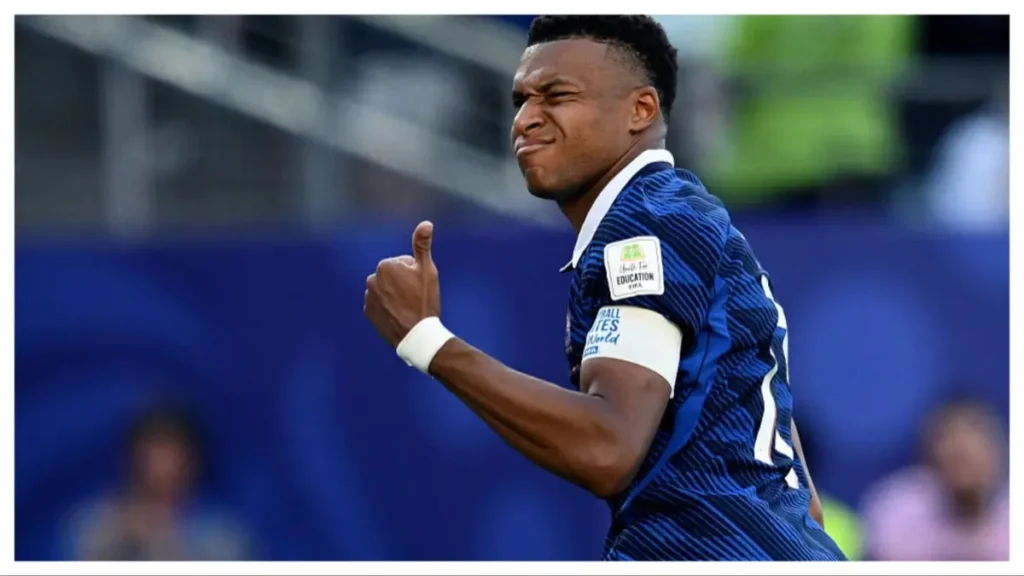
The United Nations recently found itself embroiled in a firestorm after a Paraguayan senator made a horrific comment about French superstar Kylian Mbappé, claiming he was raised by ‘chimpanzees.’ This shocking episode is a stark reminder that, even in the world of elite sports, where excellence and talent should eclipse all else, racism remains a venomous undercurrent. The UN’s response reflects the urgency of this situation, but we must ask ourselves—why is it still necessary to remind the world that racism has no place in football or anywhere else?
To fully grasp the gravity of this incident, we need to understand the backdrop. Mbappé stands as a beacon of success not just for France but for Black athletes globally. His journey from the impoverished suburbs of Bondy to the pinnacle of football is not just a personal achievement; it is a cultural milestone. Yet, the ugly specter of racism continues to follow him, as it does many Black athletes who become targets of dehumanizing comments that aim to undermine their talent and hard work.
The implications of this incident reach far beyond Mbappé himself; they speak to an ongoing struggle against systemic racism that permeates sports, politics, and society at large. When a public figure like a senator expresses such grotesque sentiments, it emboldens others to express similar views. The message is clear: Black excellence is still under siege. This moment should serve as a rallying cry for not only athletes but for fans and communities to unify against the toxins of racism that threaten to poison the spirit of the game.
This isn’t the first time we’ve seen high-profile athletes confront blatant disrespect and racism. Consider how NBA players have banded together against racial injustice, making significant statements during games or through social media. The nature of the problem hasn’t changed much; rather, it appears to be evolving. Whether in the world of basketball, football, or any other arena, the battle against racism is now fought on various fronts—from sports arenas to social media platforms. The question is, how prepared are we to confront these issues head-on?
Looking ahead, we must remain vigilant. The 2026 FIFA World Cup will be a massive stage for athletes from around the world, and the potential for encounters with racism will be high. This moment urges us not only to call out racism when we see it but also to support athletes like Mbappé who are at the forefront of this fight. The world is watching, and we have a responsibility to hold each other accountable.
As fans, we need to remember that our voices matter. We must demand accountability from sports organizations and public figures, ensuring that they stand against racism and support players who often face these issues alone. The fight against racism in sports is far from over, and with each incident that surfaces, we are reminded that our work is just beginning. It’s time to turn outrage into action, not just in the stadiums but in our communities, because while the world may be captivated by Mbappé’s on-field brilliance, it’s the off-field battles that demand our immediate attention.
About The Author