By Jasmine Reed, PowerVault Staff
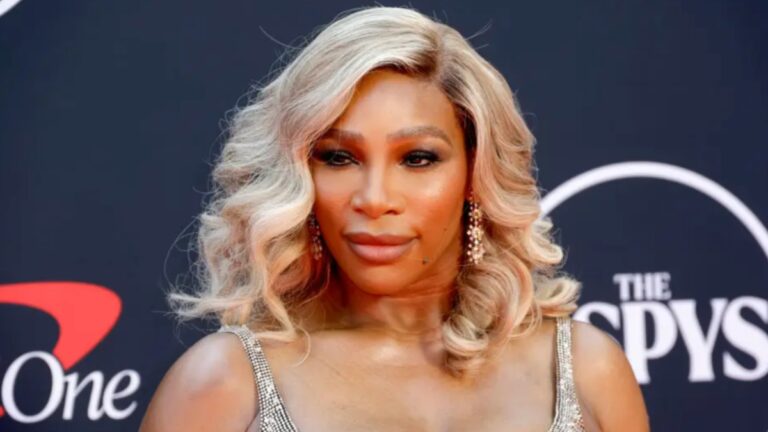
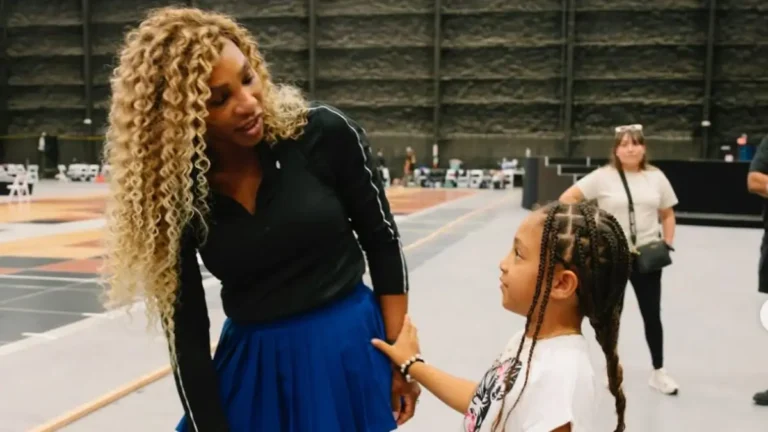
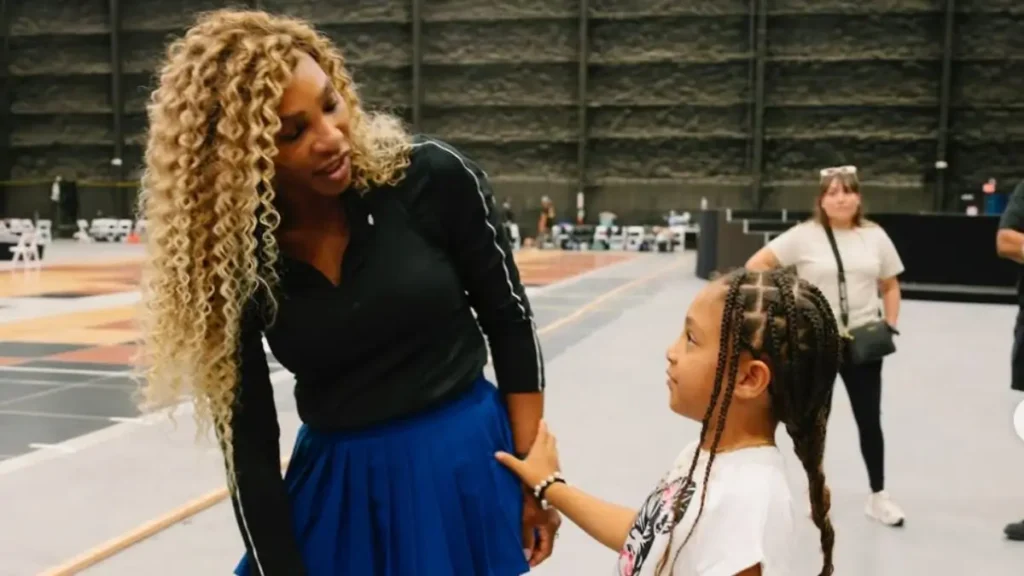
In a candid moment that resonated with parents everywhere, Serena Williams recently opened up about one of the toughest lessons she had to teach her daughter, Olympia. While she may have dominated the tennis court, navigating the complexities of motherhood has proven to be an even greater challenge. Serena’s journey through parenting is a powerful reminder that, even for world champions, the hardest battles often take place off the field.
For those who may not know, Serena Williams has long been an icon not just in sports, but in the broader cultural landscape. Her unparalleled achievements in tennis, including 23 Grand Slam titles, have set her apart as one of the greatest athletes of all time. Yet, as she transitions into motherhood, she finds herself facing a different kind of pressure—one that involves emotional intelligence, patience, and the inevitable need to instill core values in her child. In her recent reflection, she highlighted the struggle of preparing Olympia to face the realities of life, a challenge that many parents in our community can relate to.
What makes Serena’s account so compelling is the intersection of her fame with the everyday experiences of Black motherhood. Black women often bear the weight of significant societal expectations, and Serena’s transparency about her parenting difficulties sheds light on a universal truth: the journey of raising children is fraught with tough decisions and emotional turmoil, regardless of one’s status or success. By sharing her experiences, Serena fosters a dialogue about accountability and the responsibility we hold as parents to guide our children through life’s challenges, teaching them resilience and strength.
Looking back, this moment echoes the experiences of many influential figures in our history. Consider Maya Angelou’s poignant lessons in “I Know Why the Caged Bird Sings,” where she conveys the complexity of growing up in a world that often seeks to suppress our voices. Just as Angelou navigated her circumstances with grace and wisdom, Serena appears to be doing the same, using her platform not only to share personal anecdotes but also to inspire other parents facing similar dilemmas. This narrative creates a lineage of strength and perseverance in Black motherhood, one that is both challenging and beautiful.
As we look ahead, it’s essential to keep an eye on how Serena continues to blend her roles as a champion athlete and a devoted mother. Will she leverage her experiences to advocate for parenting resources within the Black community? Will she inspire a whole new wave of conversations about the expectations placed on Black mothers? Whatever the future holds, we can be sure that Serena Williams remains a force for good, not only in sports but in the larger cultural narrative, proving that while she may have stepped away from the court, her impact is far from over.
About The Author