By Malik Carter, PowerVault Staff
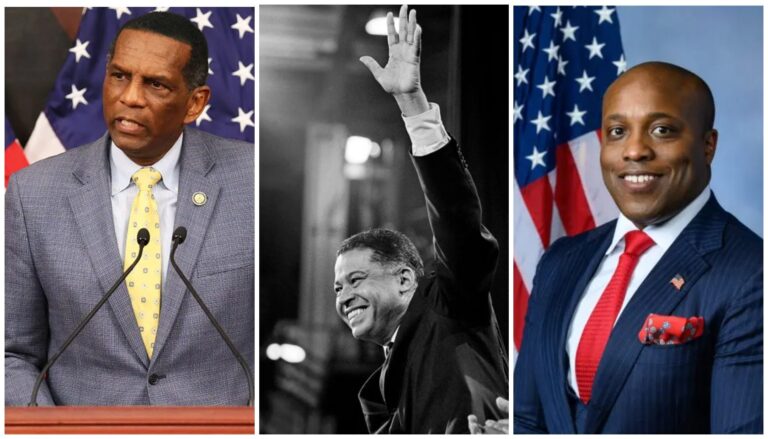
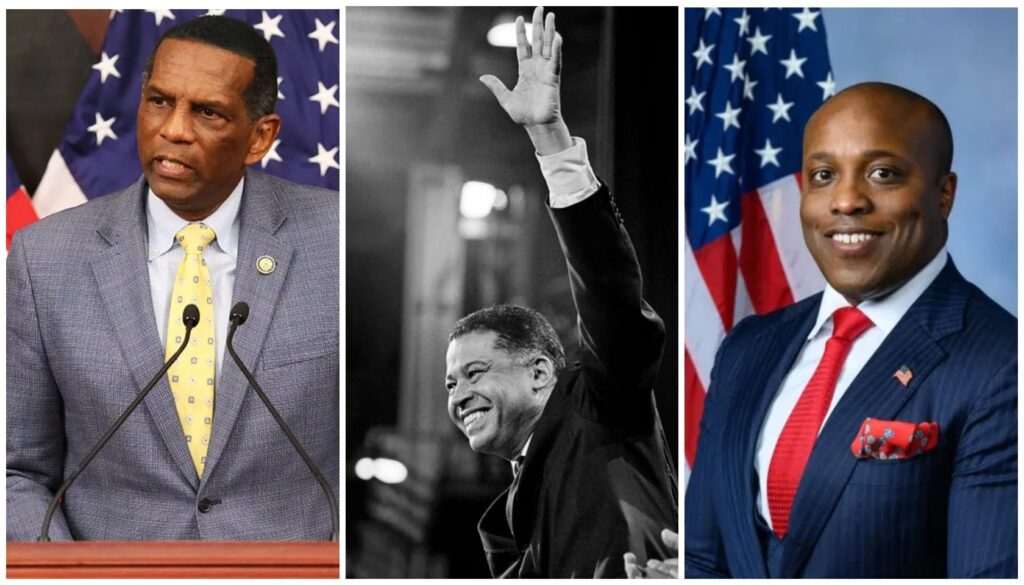
The GOP’s evolving relationship with Black Americans has been as intricate as the tapestry of Black history itself. Recent discussions have returned to the complex narrative of Black leaders within the Republican Party, a dialogue that intertwines decades of struggle, identity, and often contentious loyalty. It’s a conversation that demands our attention—not just for its historical implications, but for what it reveals about the present and future of Black political agency in America.
To truly understand this conversation, we have to rewind to the post-Civil War era, when the Republican Party was founded on ideals of abolition and equality. The party boasted a roster of prominent Black leaders, from Hiram Revels, the first Black U.S. senator, to Frederick Douglass, who tirelessly advocated for civil rights. However, as the decades rolled on, the GOP’s commitment to its founding principles waned, particularly after the civil rights movement of the 1960s, when many Black voters began to align with the Democratic Party. This shift didn’t just redefine party lines; it left lasting scars on Black political representation and engagement.
So, what does this all mean for contemporary Black culture and society? The emergence of Black figures within the GOP, while often celebrated as milestones, raises critical questions about identity and allegiance. Are these leaders truly representative of the Black community, or do they evoke a version of Blackness that aligns with the party’s agenda more than the lived realities of their constituents? Their presence can be a double-edged sword: while it expands the narrative of political participation, it can also dilute the urgent conversation around systemic racism that has gained traction in recent years. The clash between individual success and collective struggle is palpable, and it forces us to examine what we prioritize as a community.
This moment invites comparisons to the 1980s when figures like Colin Powell and Condoleezza Rice rose to prominence, often celebrated for their achievements within a party that remained largely disconnected from the grassroots issues facing Black Americans. Their visibility didn’t solve the systemic inequities affecting our communities; instead, it obscured them, leading to a sense of complacency among some who believed that representation alone could usher in change. Today, as we watch Black Republicans rise and grapple with their identities, we must recognize both the potential and the pitfalls of their roles. They may climb the ranks, but whose voices are being amplified in the process?
Looking forward, it’s vital that we keep our eyes peeled for how this dynamic unfolds. The GOP’s relationship with Black Americans is at a crossroads; more than ever, we must critically engage with the individuals who seek to represent us in these spaces. Will they advocate for our needs and realities, or will they play into a narrative that seeks to silence dissent in favor of party loyalty? The answers lie not just with these leaders but within our communities, where the fight for authentic representation is ongoing. As the political landscape shifts, let’s ensure that our narrative remains intact and our voices are heard, loud and clear.
About The Author