By Malik Carter, PowerVault Staff
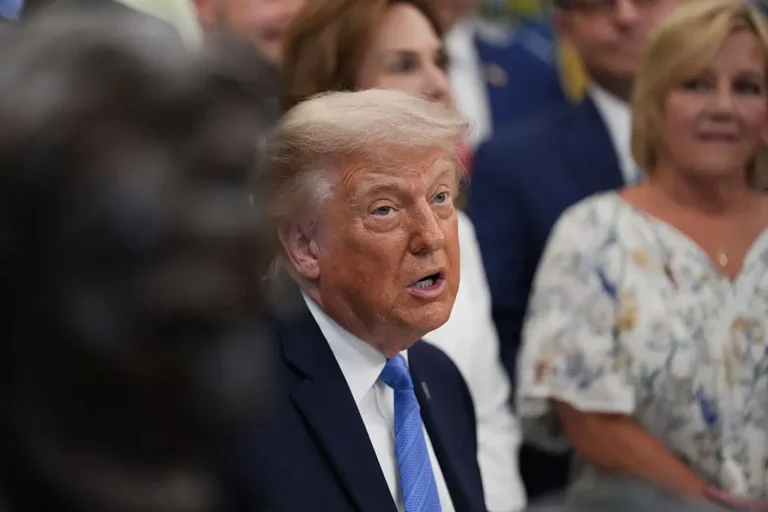
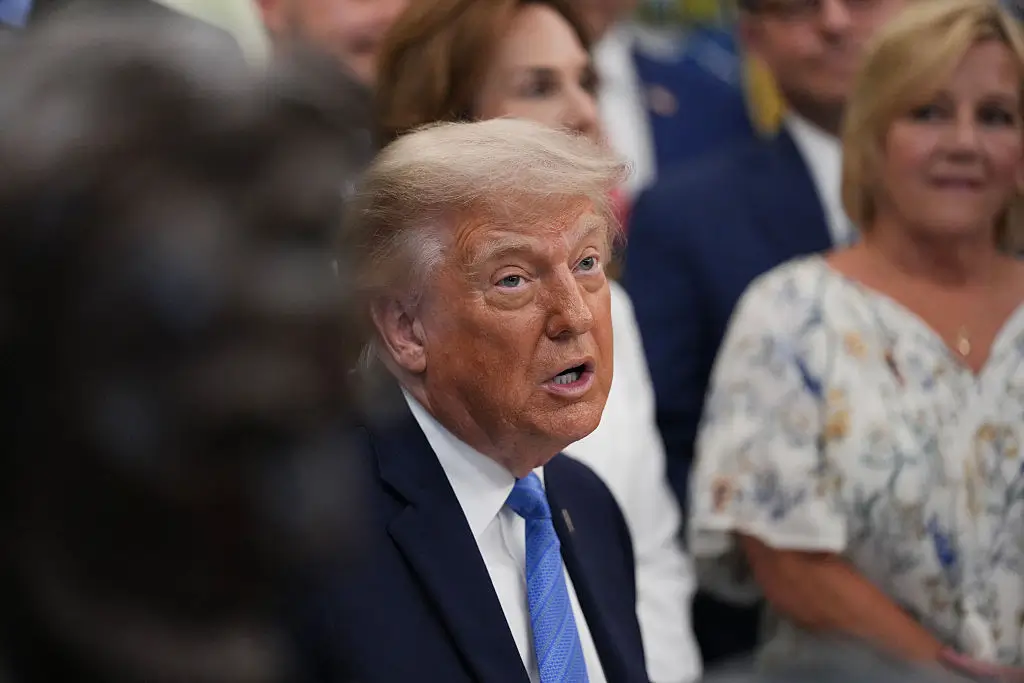
In a moment that perfectly encapsulates the absurdity of our current political landscape, Donald Trump recently found himself watched with bemusement by world leaders at the NATO summit. As cameras flashed and social media buzzed, the reactions of those leaders behind him became a spectacle in their own right, going viral and overshadowing Trump’s attempts to project cool confidence. The collective laughter of global officials, often at Trump’s expense, reveals not just a moment of mockery but a reflection of the deep fractures in international relations that his presidency exacerbated.
To understand this spectacle, we need to rewind to the era of Trump’s administration, where bombast seemed to reign and diplomacy took a backseat. His tenure was marked by erratic behavior, controversial rhetoric, and a style that often confused decorum with bravado. This NATO summit serves as a stark reminder of how the international community perceives America under Trump’s leadership. Once regarded as a bastion of democratic values, the United States now resembles a circus, with Trump as the ringleader, often more concerned with his public image than the intricate dance of global politics.
But what does this mean for the Black community and culture at large? As we watch this unfolding drama, it’s a poignant reminder of the importance of representation and integrity in leadership. In a world where we strive for equity and justice, Trump’s antics serve as a warning about the dangers of elevating charisma over competence. The laughter of those leaders can be seen as a symbol of resistance against the chaos he represents; it reflects a unity among nations that is often lacking in our domestic politics, particularly in a country where many still grapple with systemic injustice.
This moment of mockery is reminiscent of previous political spectacles—think of George W. Bush’s infamous slip-ups on the world stage or Richard Nixon’s fall from grace. Each instance served as a lesson in accountability and the importance of sound leadership. For communities of color, these moments are not just entertainment; they are political reminders of what happens when a leader’s values do not align with the needs of the people. It underscores the necessity for elevated discourse and a return to leaders who genuinely reflect the diverse tapestry of the American populace.
Looking forward, the implications of this moment capture a broader narrative about leadership and respect on the global stage. As we move past the Trump era, the question remains: who will step up to restore faith in American diplomacy? The laughter of world leaders may fade, but it serves as a clarion call for a new generation of leaders who prioritize integrity, empathy, and genuine connection—qualities desperately needed in our political climate. The world is watching, and it’s time for us, as a community, to demand leaders who can unite rather than divide, ensuring our voices resonate across borders.
About The Author