By Simone Walker, PowerVault Staff
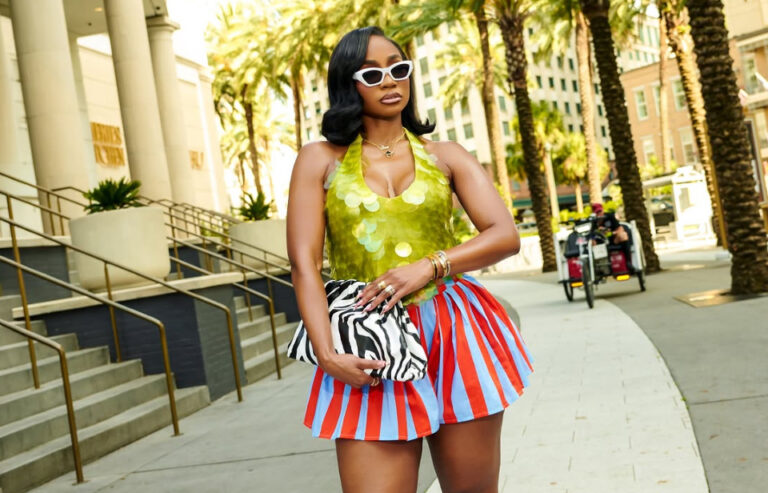
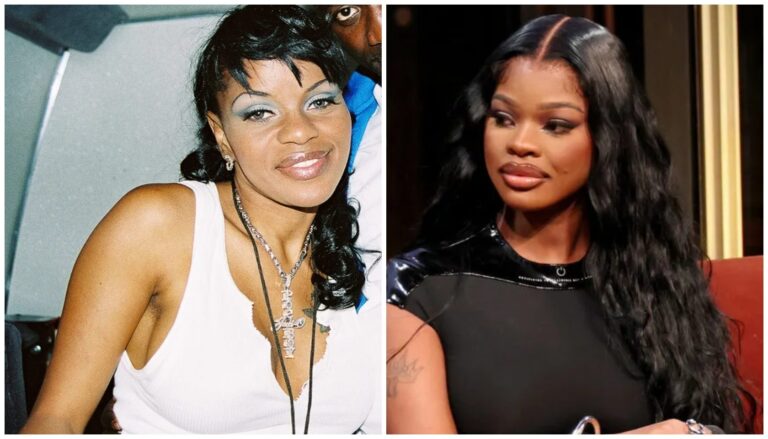
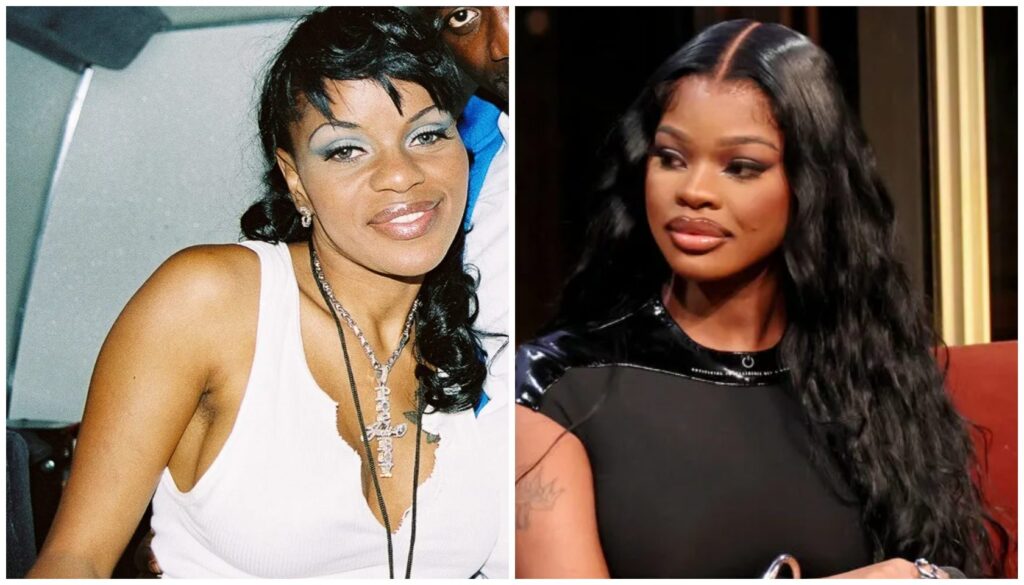
In an unexpected turn of events that has ignited the Twitterverse, JT of the City Girls recently found herself blocked by her idol, the legendary Jackie-O. This social media drama erupted after JT’s Instagram post used imagery that Jackie-O deemed offensive and disrespectful, labeling it as ‘Satan’s Ex-Wife.’ It’s a clash not just of personalities, but of generational values, where hip-hop’s often boundary-pushing nature bumps up against deeply held religious convictions.
To understand the weight of this moment, we need to dive into the roots of Jackie-O’s influence in hip-hop, especially in shaping the Miami rap scene that birthed countless female rappers. Back in the early 2000s, Jackie-O was one of the few voices carving out a space for women in a male-dominated industry. Her music confronted societal norms, and she didn’t shy away from controversial themes. Fast forward to today, and we see JT stepping into the spotlight with her own unapologetic and often provocative style. However, the generational divide is palpable; what Jackie-O once challenged through her artistry may now seem like a sinister normalization of imagery that crosses the line for her.
At the heart of this incident is a crucial conversation about accountability and the messages we send through our platforms. Jackie-O’s decision to block JT isn’t just a rejection of an individual artist but a stand for the moral compass within the community. It begs the question: At what point does artistic expression become detrimental? JT’s imagery, designed to shock and provoke, raises eyebrows because hip-hop has always been a double-edged sword. It empowers voices, yet it often feeds into the very stereotypes that marginalize us. In an age where social media amplifies every action, artists must tread carefully as they balance their creative impulses with the cultural ramifications.
This isn’t the first time we’ve seen a generational rift in hip-hop culture. We only need to look back to the days when artists like Nas and Jay-Z squared off, not just as rappers but as representatives of their eras. The tension between older and younger generations is as old as hip-hop itself, but today it’s complicated by the speed of information and the immediacy of social media reactions. We see the influence of the internet shaping narratives faster than artists can respond, creating a battleground rife with misunderstandings, profound disagreements, and, at times, outright hostility.
Moving forward, this incident serves as a reminder that hip-hop is more than just music; it’s a living, breathing culture with roots deep in the Black experience. As we observe how this drama unfolds, we must consider the larger implications for our community. Will this lead to a moment of reflection, where both young artists like JT and the legends like Jackie-O can engage in dialogue rather than divisiveness? Can they find common ground in their shared love for the culture while respecting the differences that age and experience bring?
The cultural stakes are high, and this situation sheds light on the need for mentorship and open discussion across generations. What’s next for JT and her career? Will Jackie-O’s stance inspire a broader movement of accountability in hip-hop, or will it further entrench the divides? As we watch this unfold, it’s essential to engage with these conversations thoughtfully, recognizing that our art reflects our lived experiences and that every block, unfollow, or clash speaks volumes about where we are and where we’re headed.
About The Author