By DeShawn Price, PowerVault Staff
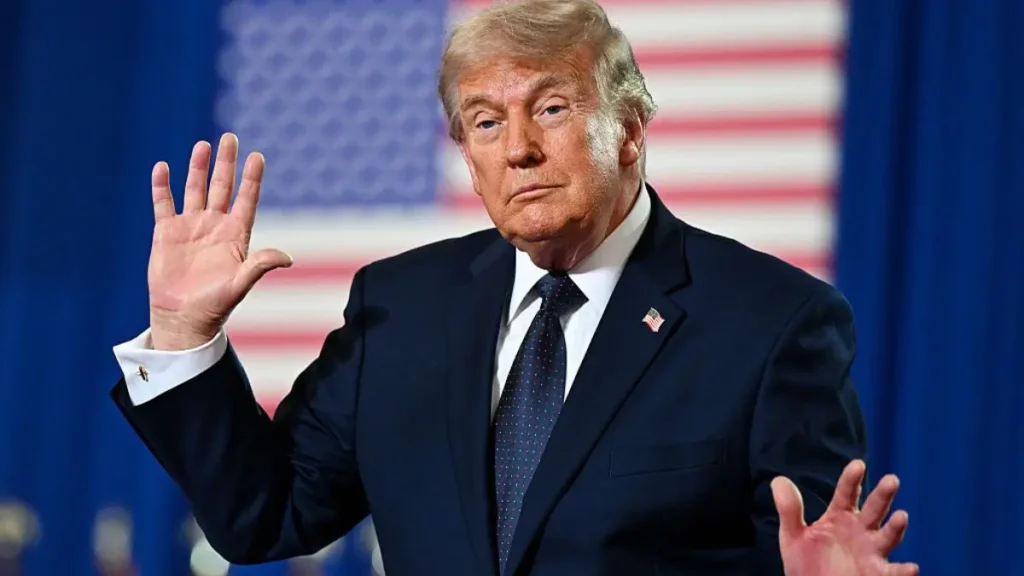
So, it seems the NATO summit in Turkey concluded with more than just handshakes and photo ops this year. In a twist that has most of us shaking our heads, leaders from various nations rushed to part ways with an unsolicited gift from Trump’s administration. While other leaders were busy collecting tokens of diplomacy, these NATO representatives couldn’t ditch their controversial item fast enough. It’s baffling, yet it’s an unraveling of political decorum that speaks volumes about what the world thinks of America’s past leadership.
To understand this spectacle, we have to take a few steps back. The backdrop of the NATO summit isn’t just about military alliances or geopolitical strategies; it’s also about the narratives we craft around leadership and camaraderie. During Trump’s presidency, many of his actions stirred global apprehension, creating a reputation that has lingered long after he left office. His administration was characterized by an erratic approach to diplomacy, showcasing a tendency to prioritize personal relationships over established protocols and alliances. In this case, the so-called gift symbolizes a broader unease—a diplomatic burden that leaders are more than eager to shed.
For the African American community and the culture at large, this phenomenon raises deeper questions about how we relate to leadership, authenticity, and the legacies we choose to carry. We’ve seen how political gestures can resonate or fall flat, and with figures like Trump, the fallout can be particularly damaging. This unwanted gift—a metaphor for the divisive policies and rhetoric he represented—transcends foreign relations and taps into our narrative of what it means to lead responsibly. When you think about it, it’s like inviting someone to your housewarming only to find out they brought a moldy fruitcake. What do you do? You rush to toss it out before it spoils the vibe.
This moment also brings to mind the 1993 scandal involving the gifting of a bust of Winston Churchill to the Oval Office, which later became a contentious issue during Obama’s administration. In both instances, these gifts turned into symbols—of admiration, of tension, and ultimately, of discord. It’s a historical pattern that reflects the cyclical nature of how sentiments evolve over time, particularly in an era where every action is scrutinized and politicized. The ties that once bound these nations together are fraying under the strain of how past leaders have handled their relationships.
Looking ahead, this incident opens an avenue for observing how the current and future administrations will navigate these complex relationships. As the world watches, the lesson here is clear: authenticity matters. As we continue to redefine what leadership looks like, the way nations choose to engage with one another will be pivotal in shaping the global stage. Let’s keep our eyes peeled; as new leaders emerge, will they hold on to the gifts of the past or will they consciously choose to create a new narrative that fosters unity and genuine connection? One can only hope that America reclaims its image as a beacon of diplomacy, not just a storehouse for unwanted relics.
About The Author