By Andre Coleman, PowerVault Staff
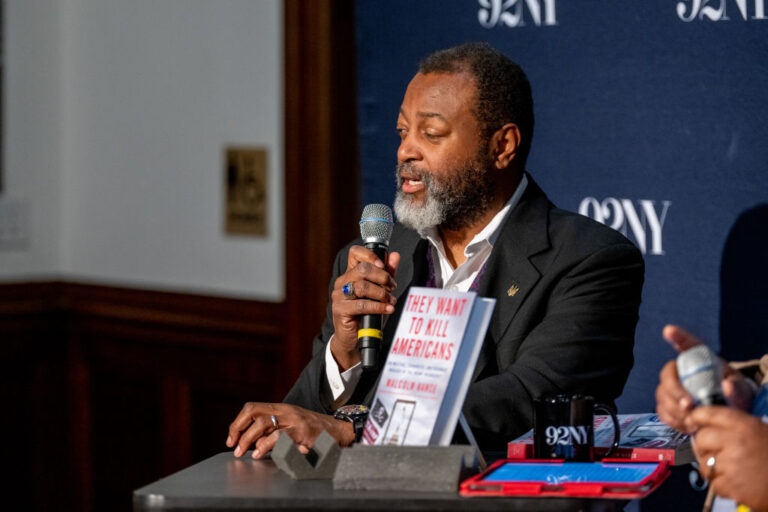
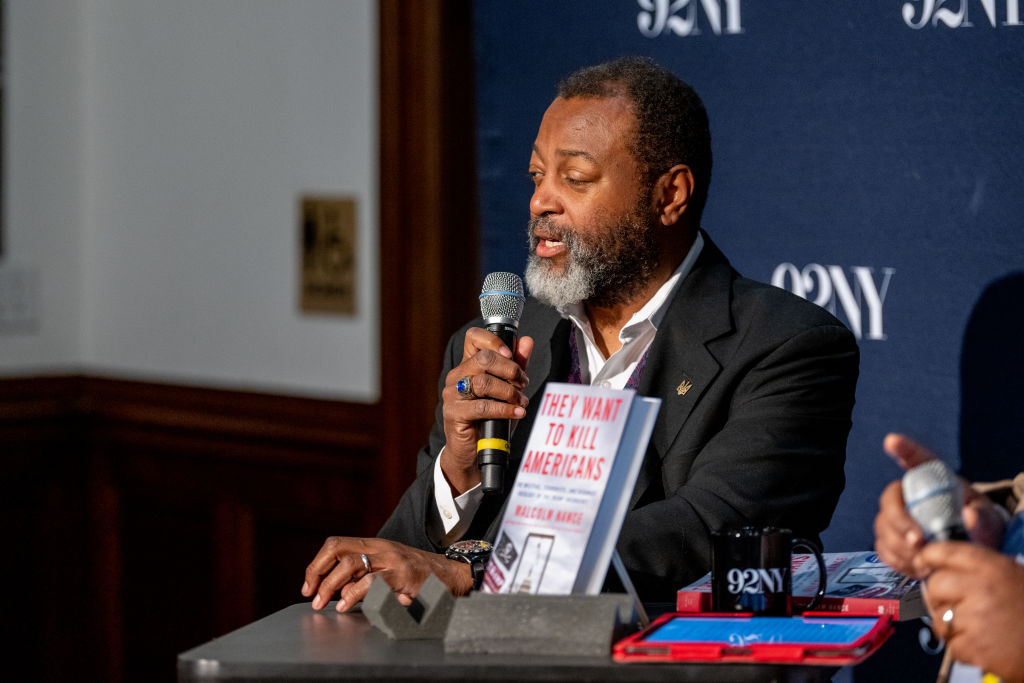
Malcolm Nance has shed light on the intensifying backlash against ICE, a fallout from the immigration policies championed by the Trump administration. As outspoken as he is knowledgeable, Nance emphasizes that the ramifications of these policies are not just political—they’re personal and deeply embedded in the fabric of our communities. We need to acknowledge that the fight against ICE is not merely about immigration; it’s about humanity, dignity, and the rights of our brothers and sisters who have been demonized and dehumanized.
To truly understand this current uproar, we must revisit the dark corridors of Trump’s presidency where the rhetoric surrounding immigration painted a grotesque picture of ‘the other.’ The portrayal of immigrants as criminals and the bolstering of ICE as a warrior against these ‘threats’ created a hostile atmosphere that led to family separations, detentions, and even deaths. Just as the Black Lives Matter movement emerged in response to systemic racism, the backlash against ICE is rising as a primal scream of those tired of being marginalized. This sentiment is especially poignant for communities of color, who see their own narratives reflected in the struggles of immigrant families.
For us, the cultural implications of this backlash are profound. Hip-hop, as a genre rooted in resistance and storytelling, has always provided a platform to address social injustices. Today, artists are stepping up not just to share their experiences, but to spotlight the plight of those affected by these oppressive policies. This is a moment where our culture can serve as a powerful unifying force. The solidarity we extend to immigrant communities can redefine the narrative around who is considered American and who deserves to belong. Our history is one of resilience, and it’s time to amplify those voices that have been silenced.
This moment isn’t without precedent. We can look back to the Civil Rights Movement when the struggles for voting rights and against systemic oppression intersected with broader issues of social justice. Just as Black activists rallied for their rights while standing in solidarity with other marginalized groups, we find ourselves in a similar moment today. The fight against ICE is not just an immigration issue; it connects to the larger struggle against systemic racism, economic inequality, and the need for comprehensive reform that uplifts all of us.
As we move forward, we need to keep our eyes on how these dynamics will evolve. The increasing backlash against ICE signals a critical juncture; it’s an opportunity for advocacy and change. As the 2024 elections approach, expect immigration policies to take center stage, and with it, the voices of those who’ve felt the sting of oppression for too long. The larger picture emerges—an awakening of solidarity that could redefine not just immigration, but the very concept of belonging in America. Let’s harness this momentum and ensure our communities are not just heard but uplifted.
About The Author