By Andre Coleman, PowerVault Staff
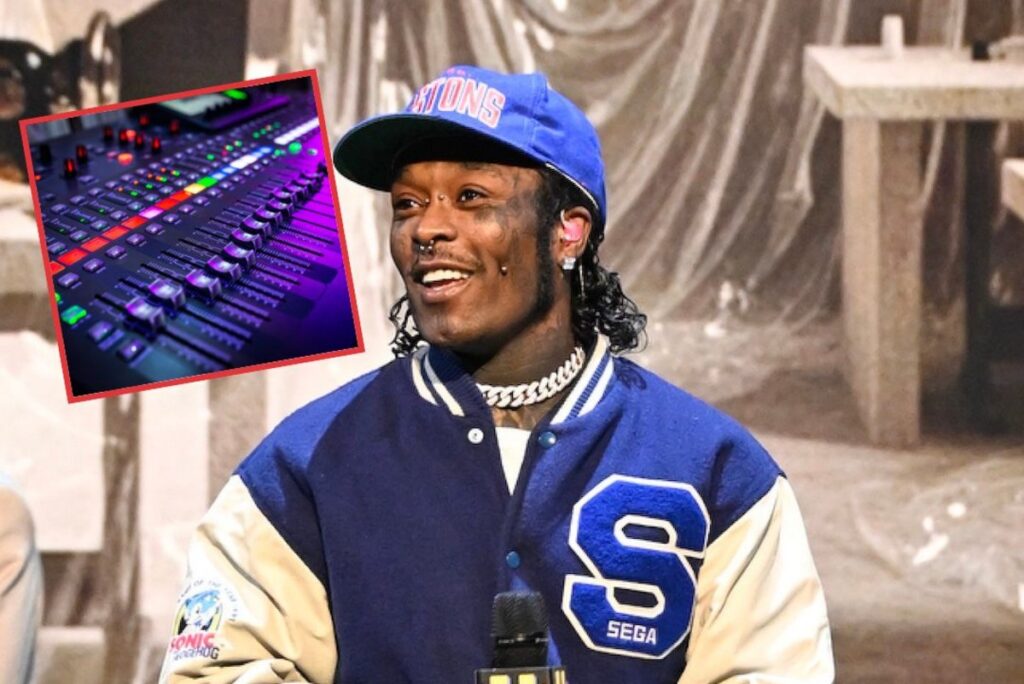
Lil Uzi Vert recently dropped a tantalizing hint that he’s cooking up a new album, igniting excitement among fans and observers alike. With the anticipation swirling around this news, it’s clear that Uzi’s artistry has become a vital thread in the fabric of modern hip-hop and Black culture. His unique sound and aesthetic have redefined boundaries, and with every new release, he continues to break molds and challenge conventions. This latest announcement is not just about the music; it’s a moment for reflection on where Uzi fits into the broader narrative of the culture.
To fully grasp the significance of this news, we need to look back at Uzi’s trajectory. Bursting onto the scene with hits like “Money Longer” and his acclaimed project “Luv Is Rage 2,” Uzi quickly established himself as a pioneer of the SoundCloud rap wave. His blend of melodic flows, punk rock influences, and emotionally charged lyrics resonated deeply, especially with younger audiences navigating their own identities and crises. Uzi has always been more than a rapper; he’s a cultural icon whose style and persona speak to the complexities of modern Black youth, grappling with societal expectations and personal evolution.
What this new project signifies is more than just another album drop; it’s a cultural moment where Uzi can further explore themes of identity, mental health, and self-discovery. His previous work has laid bare the struggles of fame, relationships, and internal battles, echoing a larger narrative within the hip-hop community. This is an opportunity for him to not only reflect on his journey but also to engage his audience in a dialogue that resonates with the collective experience of Black youth navigating the tumultuous waters of life in America.
Looking to the past, we can draw parallels between Uzi and artists like Kid Cudi, who also used their music to articulate struggles with mental health and identity in a way that felt relatable and raw. Just as Cudi’s influence paved the way for a genre that embraced vulnerability, Uzi’s forthcoming project has the potential to further normalize these discussions within hip-hop. It’s a testament to how far we’ve come, and how important it is for artists to continue sharing their truths.
As we look ahead, the question isn’t just about what new sounds Uzi will deliver, but how he will continue to evolve as an artist and a voice for his generation. Will he push the envelope further, or will he find comfort in familiar territory? One thing is for sure: the music industry is watching closely. Fans and critics alike are hungry to see how he balances commercial appeal with his artistic integrity. Uzi’s next move could not only shape his own legacy but also influence the future of hip-hop, as artists strive to tell their stories in a world that often tries to silence them.
About The Author