By Simone Walker, PowerVault Staff
In recent weeks, a number of Black artists have stepped into the spotlight not just for their music, but for their powerful denunciations of the exploitation that has plagued the industry for decades. It’s a call-to-arms that echoes louder than any bass drop — artists are demanding accountability for unfair contracts, unpaid royalties, and the appropriation of their work. This isn’t just about individual grievances; it’s a movement fueled by the collective pain and frustration of a community that has been systematically robbed of its creativity.
To truly understand the gravity of this issue, we must look back at the history of Black music, a legacy rich in innovation and expression yet riddled with exploitation. From the days of jazz and blues, where artists often saw little financial return for their groundbreaking sounds, to the modern-day pop and hip-hop landscape, where streaming has diluted earnings, the music industry has consistently failed to protect its Black creators. Record labels and corporations have profited immensely from the artistry of Black musicians, often leaving them in financial ruin or worse — fighting for rights that should have been guaranteed from the start. This is not a new story; it’s an age-old narrative woven into the fabric of our culture.
What this moment signifies is a reawakening, a refusal to let the music be the only currency in a system that thrives on the devaluation of Black artistry. Artists like J. Cole and Megan Thee Stallion are not just speaking up for themselves; they’re vocalizing the struggles of countless others who have graced the charts but remained in the shadows of their own success. This movement is about dismantling the structures that allow exploitation to thrive, and it requires us as a community to rally behind our artists. We need to understand that their fight is our fight; when one artist stands up, they raise the volume of the entire community.
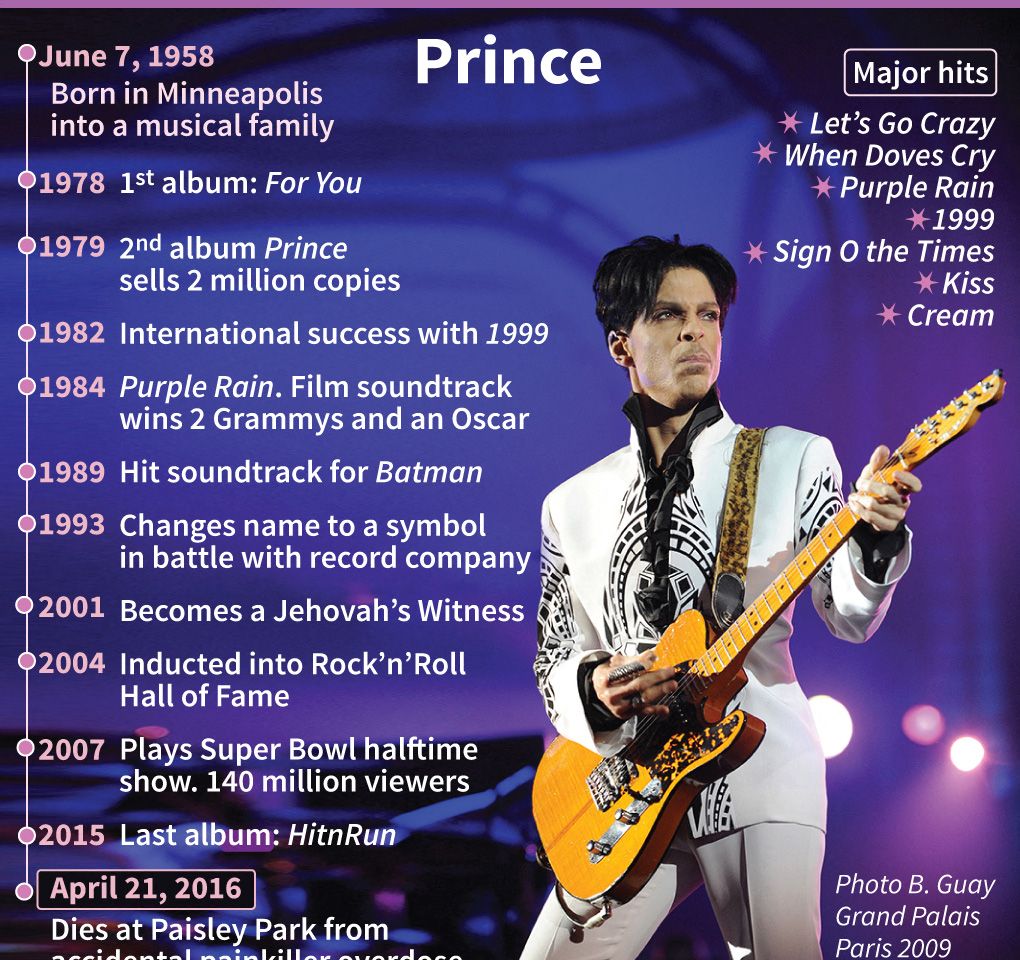
This isn’t the first time we’ve seen a backlash against exploitation; we can look back to the 1990s when artists like TLC and Prince fought against the restrictive contracts of record labels. They were pioneers in challenging the status quo, paving the way for future generations. Yet, the persistence of these issues indicates that although we’ve made strides, systemic change is a long road ahead. The parallels between then and now remind us that the battle against exploitation is ongoing and requires constant vigilance and activism.
As we move forward, the future of Black music hinges not only on the continued outspokenness of its artists but also on the support of the community that consumes their work. We must actively demand transparency and fairness in the industry to ensure that the artists who shape our culture are appropriately compensated and respected. So, let’s tune in, stand up, and amplify the voices of those who have been silenced for too long. The fight against exploitation is bigger than any single artist; it’s about reclaiming our narrative and ensuring that the music we love continues to thrive on our terms.
About The Author