By Jasmine Reed, PowerVault Staff
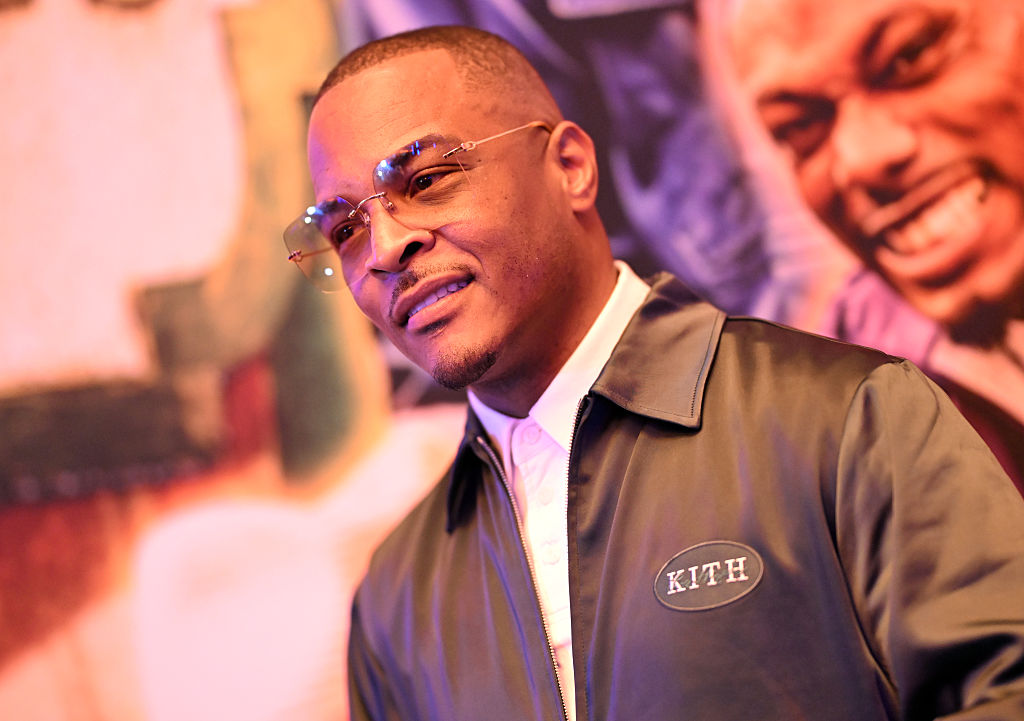
In a heartfelt announcement that sent ripples through the hip-hop community, T.I. has confirmed that his upcoming farewell album, ‘Kill The King,’ will mark the end of his illustrious career. After over two decades of redefining Southern hip-hop and establishing a legacy that has influenced countless artists, the Rubber Band Man is ready to hang up his crown and pass the torch to the next generation. This retirement isn’t just a personal decision; it’s a poignant moment for a culture that has seen its share of transitions.
T.I.’s journey in hip-hop began in the early 2000s, when Atlanta was still emerging as a powerhouse in the genre. He burst onto the scene with his distinctive voice, sharp lyricism, and an unparalleled ability to weave storytelling with street wisdom. Albums like ‘Trap Muzik’ and ‘King’ not only garnered commercial success but also solidified T.I. as a voice for his community, tackling issues of social justice, economic disparity, and personal struggle. His evolution from rapper to entrepreneur, actor, and activist showcases a trajectory that is both aspirational and instructive. But as the saying goes, every king must eventually pass the throne, and T.I. is doing so with grace and gratitude.
This moment in hip-hop speaks to an ongoing narrative of evolution and legacy. T.I.’s retirement isn’t just about him stepping back; it’s about what it means for a culture that thrives on reinvention and the passing of knowledge from one generation to the next. As he prepares to release ‘Kill The King,’ fans can expect a reflective body of work that encapsulates his experiences, triumphs, and lessons learned. In a time when many artists struggle to find their footing amidst a fast-changing music landscape, T.I. is choosing to elevate new voices rather than compete in a space that feels increasingly inaccessible. This is the essence of community: nurturing, supporting, and uplifting.
Looking at the hip-hop landscape, T.I.’s retirement brings to mind the exits of other genre-defining figures like Jay-Z and Andre 3000, who similarly moved from the frontlines of rap to more behind-the-scenes roles. These transitions often pave the way for new artists to rise up and make their mark. T.I. has always been a champion for up-and-coming talent, and one can only hope that his retirement will inspire a flood of fresh voices that push the culture forward, echoing the same innovative spirit that defined his career.
As we prepare for T.I.’s final bow, it’s essential to consider what comes next. Who will take up the mantle of influence in hip-hop? Will we see a resurgence of artists who speak on societal issues as T.I. did? And how will his legacy shape the new wave of artists emerging from Atlanta and beyond? The next chapter in hip-hop is ready to be written, and as one king steps down, another is poised to rise. T.I. may be closing the book on his narrative, but the impact of his story will resonate for generations to come.
About The Author